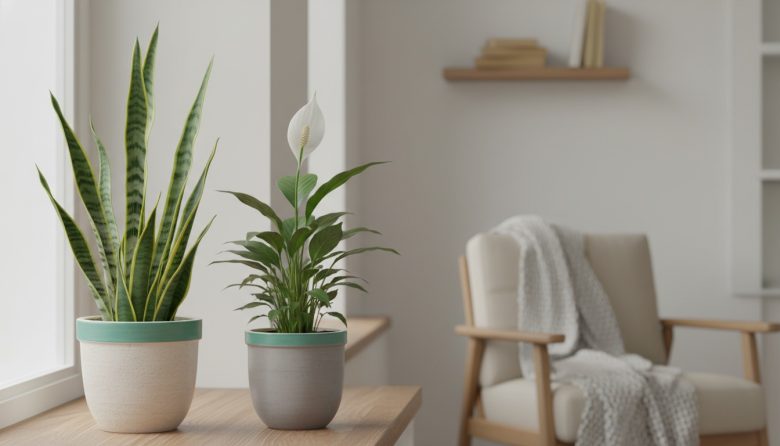
Indoor air often carries hidden guests like dust, pet dander, and volatile organic compounds from paints or cleaners. These can leave you feeling stuffy or restless without realizing why. NASA’s Clean Air Study from the late 1980s revealed that certain houseplants act as natural filters, absorbing pollutants like formaldehyde and benzene while releasing oxygen.
Bringing these greens into your space creates a subtle shift toward feeling more grounded. Your breath flows easier, supporting clearer focus and calmer evenings. This article shares the top five plants backed by that science, with simple ways to weave them into your daily flow for fresher air and balanced living.
Imagine starting your day with a glance at lush leaves or unwinding near a trailing vine. These allies thrive with minimal fuss, fitting busy routines. We’ll cover their benefits, care rhythms, and real-home examples. Pick one plant this week to welcome fresh breath into your home.
Breathing Easier: How Pure Air Supports Mind + Body Balance
Cleaner air directly links to steadier mind and body states. Deeper breaths during a morning stretch release tension held in your shoulders. Plants nearby enhance this by pulling in toxins, letting you inhale purity.
Picture a yoga flow with a snake plant by your mat. Its presence grounds you, easing scattered thoughts into calm focus. Studies show reduced stress markers when VOC levels drop, mirroring that felt relief.
On tense days, a short walk past your potted allies shifts your rhythm. The greenery cues your body to unwind, softening tight muscles. This mind-body tie fosters small, daily resets without extra effort.
Your Top 5 Greenery Allies for Everyday Air Renewal
These five stand out from NASA’s research for tackling common indoor pollutants. Snake Plant removes formaldehyde and benzene overnight, thriving in low light. Spider Plant filters formaldehyde and xylene, spilling out baby plants for easy propagation.
Peace Lily excels at formaldehyde and ammonia, blooming with consistent moisture. Pothos handles benzene and formaldehyde in dim corners, trailing effortlessly. Areca Palm clears formaldehyde and xylene, adding tropical warmth in brighter spots.
Each offers unique strengths, from night-time oxygen boosts to humidity balance. Integrating them starts with your space’s light and flow. The table below gives a quick glance to match one to your needs without overwhelm.
| Plant Name | Key Pollutants Removed | Light Needs | Watering Rhythm | Ideal Placement |
|---|---|---|---|---|
| Snake Plant | Formaldehyde, benzene | Low to bright indirect | Every 2-3 weeks, soil dry | Bedroom, low light corners |
| Spider Plant | Formaldehyde, xylene | Bright indirect | Weekly, top inch dry | Hanging baskets, shelves |
| Peace Lily | Formaldehyde, ammonia | Low to medium indirect | Keep soil moist, weekly | Bathrooms, kitchens |
| Pothos | Benzene, formaldehyde | Low indirect | When top soil dry, 1-2 weeks | Desks, bookcases |
| Areca Palm | Formaldehyde, xylene | Bright indirect | Regular, keep moist | Living rooms, entryways |
Morning Light, Midday Mist, Evening Presence: Plants in Your Daily Rhythm
Sync plants with your day’s natural flow for steady care. Mornings suit a quick greet in sunlight—wipe leaves with a damp cloth for grounding movement. This removes dust while setting a calm tone.
Midday, mist spider plants or peace lilies to boost humidity. The fine spray mimics natural dew, refreshing both plant and your shared air. Pair this with a breath pause for midday reset.
Evenings invite presence near your pothos or snake plant. As you unwind, notice their steady growth mirroring your slowing breath. For deeper relaxation, consider how to create an evening wind-down ritual alongside these greens.
Keep It Simple: One Plant, Small Shifts, Lasting Freshness
Start with just one to avoid clutter. Snake Plant fits bedrooms perfectly—no fuss, strong air cleaning at night. Group two more in a living room corner later for clustered impact.
Tiny shifts build habits: check soil weekly with your thumb. This prevents overthinking care. Fresh air follows naturally from these small, repeatable steps.
Nurturing Your Green Companions for Steady Air Flow
Feel the soil’s warmth before watering—dry an inch down means time to hydrate. Shift pots seasonally toward light changes for even growth. Droopy leaves signal thirst; perky ones show balance.
Weekly steams in the shower revive with gentle warmth and moisture. Spot pests early by rubbing leaves, washing away buildup. These cues keep air purification humming smoothly.
Relate plant hydration to your own by exploring how to track water intake with fun reminders. This parallel fosters mindful routines for both. Choose one care moment today to nurture your space.
Real Homes, Real Breath: Stories of Balanced Spaces
In a city apartment, Pothos drapes over a desk, cutting desk VOCs for sharper focus during work calls. The trailing leaves soften hard edges, inviting breath pauses amid deadlines.
A family room holds an Areca Palm, its fronds swaying to create play-space calm. Evenings feel less chaotic with cleaner air supporting restful transitions. One parent notes kids sleep deeper nearby.
Peace Lily in a dim kitchen absorbs cooking fumes, pairing with quick meals. Try how to prep nutritious salads in under 10 minutes beside it for grounded nourishment. These setups weave plants into lived rhythms seamlessly.
FAQ
Do houseplants truly clean indoor air enough to notice?
NASA studies confirm they remove VOCs like formaldehyde effectively in sealed chambers. In homes, combine with open windows for noticeable freshness—less stuffiness, easier breathing over weeks. Start small to feel the shift.
How many plants for a standard living room?
Aim for 2-4 medium plants per 100 square feet, scaling to room size. This density matches research for pollutant reduction without crowding. Begin with one or two to build your green rhythm.
Which are safest around pets and kids?
Spider Plant and Pothos top the list—non-toxic, resilient if nibbled. Snake Plant is mildly irritating but generally safe. Keep peace lily out of reach, as it’s more sensitive.
Best low-light options for dim corners?
Pothos and Snake Plant excel in indirect or fluorescent light, thriving where others fade. Their adaptability brings air benefits to shady spots effortlessly. Position near north windows for best results.
Why do leaves turn brown and how to fix?
Overwatering often causes root rot, leading to brown tips. Let soil dry fully between waters, using pots with drainage. Trim browned edges and adjust light for quick recovery.