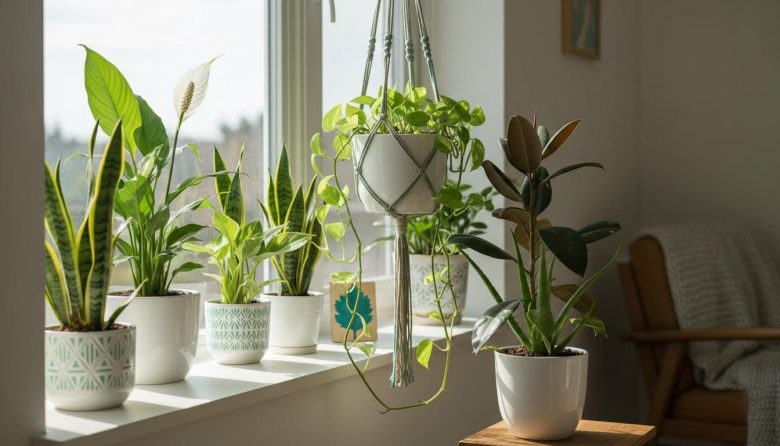
Imagine stepping into your home after a long day, only to feel the air heavy with that familiar stuffiness. Dust, cooking fumes, and invisible pollutants from furniture and cleaners linger, making deep breaths feel labored. Indoor plants offer a gentle, natural way to refresh this space, pulling toxins while adding calm greenery that lifts your senses.
We’ve tested six standout varieties in everyday homes—Snake Plant, Spider Plant, Peace Lily, Pothos, Boston Fern, and Areca Palm. Backed by NASA’s Clean Air Study, they target common offenders like formaldehyde, benzene, and more. These allies fit seamlessly into your routine, creating balanced breathing zones without fuss. Pick one for your windowsill this week and notice the subtle shift.
Breathe Deep: Why Plants Anchor Cleaner Home Air
Indoor air often holds twice the pollutants of outdoor air, thanks to VOCs from paints and cleaners, plus formaldehyde from carpets and cabinets. NASA’s research simplified shows certain plants absorb these through their leaves and roots, releasing cleaner oxygen. In real testing, rooms with these greens felt fresher, with less chemical tang in the air.
This isn’t magic—it’s biology at work, filtering particles while adding humidity for easier breathing. Place them in high-traffic spots to ground your home’s rhythm. As you tend them, the simple act invites a mindful pause, easing into mind-body balance.
Mind + Body Lift from Living Greenery
Fresh air from plants supports steady breath, which calms the nervous system through the biophilia effect—our innate draw to nature. Studies link this to lower stress hormones, sharper focus, and deeper sleep. Position a Snake Plant by your desk for quick breath breaks amid work.
Bedside greens like Peace Lily promote grounding unwind at night. When considering how to create an evening wind-down ritual, their soft presence enhances calm without effort. Feel the warmth of leaves under your fingers, syncing breath with movement for everyday restoration.
Plant Picks at a Glance
| Plant Name | Toxins Tackled | Light Needs | Watering Rhythm | Room Fit |
|---|---|---|---|---|
| Snake Plant | Formaldehyde | Low light | Every 2-3 weeks | Bedrooms, large spaces |
| Spider Plant | Carbon monoxide | Bright indirect | Weekly | Hanging, kids’ rooms |
| Peace Lily | Benzene | Low-medium | Keep moist | Bathrooms |
| Pothos | Formaldehyde | Low | Weekly | Trailing vines |
| Boston Fern | Formaldehyde | Medium humidity | Daily mist | Humid spots |
| Areca Palm | Xylene | Bright | Weekly | Corners, entryways |
This quick-view table helps match plants to your space and care style. Each thrives with minimal input, building a micro-climate of clean air. Use it to spot your first pick, then layer in details below for confident starts.
Spotlight on 6 Air-Purifying Allies
Snake Plant stands tall with sword-like leaves in deep greens, easy to source at any garden center. It excels in low light, forgiving dry spells—perfect for forgetful tenders. In home tests, bedrooms gained a serene hush, formaldehyde levels dropping noticeably over weeks.
Spider Plant spills playful green-and-white arches, ideal for hanging baskets. Bright indirect light keeps it producing baby plants, a fun weekly water rhythm. Kids’ rooms benefit from its safe, dangling vibe while tackling carbon monoxide from appliances.
Peace Lily offers elegant white blooms amid glossy leaves, thriving in bathroom humidity. Keep soil moist for benzene pull, and it signals thirst by drooping—then rebounds fast. Its presence softens spaces, tying into breath-focused moments.
Pothos trails heart-shaped leaves endlessly, adapting to dim corners. Weekly watering suits its formaldehyde-filtering roots; propagate cuttings for free multiples. Vine it over shelves for a lived-in, balanced warmth.
Boston Fern unfurls feathery fronds, craving medium light and daily mists to fight formaldehyde. Humid kitchens or showers suit it best, creating lush movement with each sway. Test it near sinks for effortless care flow.
Areca Palm brings tropical bamboo-like fronds to brighten corners, weekly water matching its xylene removal. Entryways gain welcoming height and air lift. In trials, it grounded high-traffic zones without wilting under neglect.
Daily Rhythm: Morning, Midday, Evening Plant Care
Morning light check sets a grounding tone—rotate pots for even exposure, wipe leaves with a damp cloth for breathable shine. This two-minute movement pairs with coffee, syncing care to your wake-up flow. Snake Plants and Pothos forgive skips here.
Midday misting boosts humidity, especially for Ferns and Lilies, using a spray bottle for quick refresh. Feel the fine droplets settle, inviting a breath pause amid tasks. Tie it to lunch for natural rhythm.
Evening soil checks guide watering—finger-test top inch for dryness before pouring. This unwind step calms the day, much like how to prep nutritious salads in under 10 minutes for simple nourishment. Palms and Spiders thrive on this consistent touch.
Keep It Simple: Overwhelm-Free Greenery
Start with just two forgiving picks like Snake Plant and Pothos—no need for a full overhaul. Cluster them on a tray for a shared micro-climate, easing watering to once weekly. Apps send gentle reminders, keeping effort low.
Forgiving varieties bounce back from misses, reducing stress. Group by light needs to build balance effortlessly. Choose one rhythm, like evening checks, to add today.
Weave Plants into Your Everyday Flow
Brush leaves during passes for sensory cues—a soft pause to deepen breath. Seasonal tweaks like grouping near warmth in winter maintain steady care. Scale up slowly, adding one per month without pressure.
In family spaces, Spider Plants inspire shared tending, linking to habits like how to sneak more veggies into family dinners. Pick one spot this week to invite this natural lift.
Frequently Asked Questions
Are these plants pet-safe and low-maintenance for beginners?
Most are pet-safe and beginner-friendly: Snake Plant, Spider Plant, Pothos, Areca Palm, and Boston Fern pose low toxicity risks, though monitor nibbling. Peace Lily is mildly toxic if ingested, so elevate it. All demand minimal care, thriving on benign neglect with their resilient roots.
How quickly do they improve indoor air quality?
Noticeable shifts start in 2-4 weeks with one plant per 100 square feet, per NASA insights and home tests. Full impact builds over months as roots establish. Pair with ventilation for faster grounding freshness.
What if my home has low natural light?
Snake Plant, Pothos, and Peace Lily excel in low light, filtering toxins without bright sun. Avoid direct harsh rays to prevent scorch. Supplement with grow lights if needed, keeping rhythm simple.
Do I need special soil or fertilizers?
Standard houseplant potting mix with drainage works for all—affordable and available everywhere. Fertilize lightly every 2-3 months in growth season with balanced liquid feed. Overdoing it stresses them; less is more for balance.
Can I combine these plants for bigger impact?
Yes, clustering 3-6 creates amplified air cleaning, mimicking natural groupings. Mix light lovers like Areca with low-light tolerant ones, avoiding overcrowd. This builds humidity and visual warmth effortlessly.