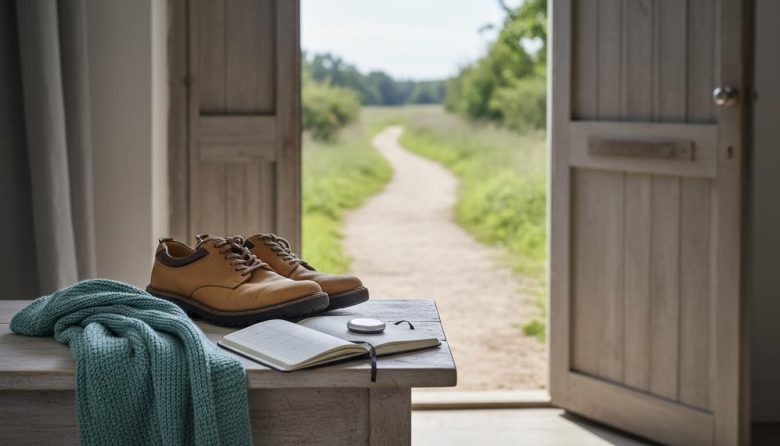
Picture this: a quiet morning where you lace up comfortable shoes and step out for a short walk. The simple rhythm of your feet on the path brings a sense of calm that lingers through the day. For beginners, gentle walking offers a gentle entry to movement without pressure.
I once knew a busy mom named Lisa who felt scattered amid her routine. She started with just five minutes of walking daily, noticing how the fresh air steadied her breath and grounded her steps. Over weeks, those moments built into a habit that restored her balance. This 30-day challenge guides you similarly, starting small and building steadily.
Each week layers in a bit more time and awareness, syncing walks with your natural daily flow. You’ll explore breath cues, light shifts, and easy tweaks to make it stick. No rush—just consistent, purposeful steps toward feeling more centered.
Ready to begin? Pick one moment today, perhaps right after breakfast, to take those first strides. Small changes like this create lasting rhythm in your life.
Why Gentle Walking Restores Your Natural Balance
Gentle walking invites light movement that eases you into daily grounding. It improves breath flow naturally, as each step deepens inhales without force. Beginners often feel a subtle warmth spread through their limbs post-walk, signaling restored circulation.
Unlike intense workouts, this approach fits seamlessly into life. It reduces tension by shifting focus to simple motion. One walker shared how ten minutes daily helped her feel less overwhelmed during hectic afternoons.
Over time, these walks foster balance between rest and activity. Your body learns to unwind tension through steady strides. This builds a foundation for sustained well-being.
Cultivate Mind + Body Connection with Purposeful Steps
Start by syncing your breath with each step—one inhale for two strides, exhale for two more. This simple practice quiets racing thoughts while engaging your body. Notice how it creates a flowing rhythm that connects mind and movement.
Pause midway for a gentle stretch, reaching arms overhead to feel light expand in your chest. Real-life example: a desk worker used these pauses to release shoulder tightness, feeling more present afterward. Such cues ground you without complexity.
Observe shifting light on leaves or pavement during your walk. This sensory tie-in reduces stress through small, repeatable routines. Your mind settles as body awareness grows naturally.
Tune Walks to Your Daily Rhythm: Morning, Midday, or Evening
Morning walks greet you with soft light that energizes without overwhelming. They set a grounding tone for the day ahead. Midday strolls bring refreshing warmth, breaking up sedentary hours.
Evening options allow gentle unwinding, easing into rest with calming breath. Each timing leverages natural cues like dawn glow or dusk hush. Choose based on your flow for easiest integration.
For mornings, try pre-breakfast steps to awaken steadily. Midday fits a lunch loop for renewal. Evenings pair well with post-dinner movement to settle the body.
| Time of Day | Key Benefits | Sample Structure (Week 1 Starter) | Simple Integration Tip |
|---|---|---|---|
| Morning | Soft light energizes; grounds the day’s start with breath focus | 10 minutes: slow pace, inhale-exhale sync, end with arm circles | Right after waking, before coffee—pairs with a grounding stretch |
| Midday | Warmth refreshes; clears mental fog during busy hours | 10 minutes: brisker strides, notice warmth on skin, shoulder rolls | Step out during lunch break—follow with a mindful sip of water |
| Evening | Promotes unwind; reflects on day with gentle pace | 10 minutes: slower steps, deepen breath, soft neck tilts | After dinner, before screens—transition to calm rest |
This table helps you select the best fit visually. Beginners appreciate the clarity for quick decisions. Transition now to your personalized roadmap.
Your 30-Day Roadmap: Steady Steps to Lasting Habit
Week 1 focuses on 10-minute walks, four days a week. Emphasize consistency over distance—note one positive feeling, like leg warmth, each time. This builds familiarity gently.
Week 2 adds a fifth day and introduces 12 minutes, weaving in breath sync. A real-life beginner, Tom, shared how tracking “post-walk calm” motivated him through busier days. Small wins accumulate here.
By Week 3, aim for 15-20 minutes daily, adding sensory pauses like light observation. Rest or shorten as needed for balance. Feel the rhythm solidify.
Week 4 reaches 25-30 minutes, with full-week commitment optional. Celebrate by reflecting on changes in your daily flow. This progression honors steady progress over perfection.
Keep It Simple: Gentle Tweaks to Sidestep Overwhelm
Prep shoes and route the night before to cut morning friction. Track just one sensation per walk, like footfall rhythm, in a notebook. This keeps focus light.
If energy dips, scale to five minutes—no guilt. Prioritize balance; perfection steals the joy. These tweaks ensure the habit endures.
Sustain the Flow: Mindful Meals and Post-Walk Unwind
Follow walks with hydrating sips to amplify benefits—simple steps like those in 5 Easy Tips to Drink More Water Daily support steady fluid balance. Add nutrient-rich bites, drawing from ideas in 10 Natural Foods to Boost Your Daily Energy, for lasting vitality.
Incorporate a screen wind-down: dim lights and stretch calves gently for ten breaths. This unwinds the body fully. Evenings might include family meals with extra greens, inspired by How to Sneak More Veggies into Family Dinners.
Pick one post-walk moment daily, like a warm herbal tea, to integrate mindfully. These routines extend your walking rhythm into the day. Feel the full circle of balance emerge.
FAQ
Is this challenge safe for complete beginners or those with joint concerns?
Yes, it emphasizes gentle paces and short durations to minimize strain. Start on flat surfaces and wear supportive shoes; consult a doctor if you have specific joint issues. Many with mild concerns thrive by listening to body cues and pausing as needed.
What if I miss a day—does it ruin the progress?
Not at all; consistency builds over time, not perfection. Gently resume the next day without adding extra time. View misses as natural rhythm fluctuations, focusing on the overall flow.
How do I track my walks without fancy apps?
Use a simple notebook for dates, duration, and one feeling noted—like breath ease. A wall calendar with checkmarks works too. This low-tech approach keeps it grounding and accessible.
Can I adapt this for indoor walking on bad weather days?
Absolutely—pace hallways or living rooms steadily, syncing breath the same way. March in place or loop furniture for equivalent time. Outdoor cues shift to indoor light or music rhythm.
What results can I realistically expect after 30 days?
Expect steadier energy, better breath awareness, and a grounded daily rhythm. Many report less tension and easier movement integration. Results vary, but small habit shifts often lead to sustained calm and light mobility gains.

Comments
Pingback: Low Impact Workout for Beginners: The Gentle 3-3-3 Rule for Pain-Free Movement - Zippy Loom
Pingback: Tai Chi for Balance: A 4-Week Neuromotor Progression Guide - Zippy Loom
Pingback: The Resting Squat as a Trauma-Sensitive Reset: Gentle Mobility for Nervous System Ease - Zippy Loom
Pingback: Gentle Movement for Back Pain: How to Move Without Fear (A Step-by-Step Guide for Acute vs. Chronic Pain) - Zippy Loom