
Picture this: a heavy lunch leaves you bloated and sluggish, your belly tight as you push through the afternoon. In our rushed world of quick bites and screen time, digestion often feels like an afterthought, thrown off by stress and irregular rhythms. Yet, tuning into your body’s natural signals can bring steady relief through simple, tested habits.
I’ve woven these eight practical shifts into my own days, noticing lighter movement and less discomfort within a week. They draw from everyday testing—warm sips, slow chews, gentle walks—that support your gut’s balanced flow without fuss. From hydration to mindful breaths, each one grounds you in ease.
These aren’t quick fixes but small anchors for lasting comfort, easing bloating and building rhythm. Start with one today, like a warm water sip at dawn, and feel the subtle warmth return to your core. Ahead, a checklist summarizes them for quick reference, followed by ways to layer them into your life.
Common signs like gas or irregularity stem from disrupted gut motility, often tied to hurried eating or tension. By prioritizing these habits, you realign with your body’s pace, fostering smoother digestion naturally. Let’s explore how they fit seamlessly.
8 Habits Checklist for Natural Digestion
| Habit | Why It Supports Digestion | Daily Step |
|---|---|---|
| 1. Warm water first thing | Gently stimulates gut motility and hydration | Sip 8-12 oz room-temp water upon waking |
| 2. Chew thoroughly | Breaks down food for easier enzyme work | Aim for 20-30 chews per bite |
| 3. Probiotic foods | Balances gut bacteria for smooth flow | Add yogurt or sauerkraut to one meal |
| 4. Prebiotic fibers | Feeds good bacteria for steady digestion | Include banana or oats daily |
| 5. Post-meal walk | Promotes natural peristalsis | 10-minute gentle stroll after eating |
| 6. Belly breathing | Reduces stress that slows digestion | 5 deep breaths before meals |
| 7. Herbal tea sips | Soothes inflammation and aids motility | Ginger or peppermint tea mid-morning/evening |
| 8. Consistent meal times | Regulates gut clock for balance | Set fixed times for breakfast, lunch, dinner |
Strengthen Mind + Body Connection Through Breath and Awareness
Your gut listens to your mind’s calm or chaos, with stress often tightening the flow. Belly breathing, habit 6, eases this by activating the rest-and-digest response through slow, deep inhales. Place one hand on your belly, breathe in for four counts as it rises, then exhale fully.
Before meals, pause for five breaths to quiet tension and sharpen hunger cues. I’ve tested this during busy weeks, feeling less post-meal heaviness after just days. It pairs awareness with action, like noticing fullness mid-bite to avoid overeating.
Try a simple hand-on-belly check-in twice daily: close your eyes, feel the gentle rise and fall. This grounds you, linking breath to gut signals for smoother digestion. Over time, it builds a habit of listening, reducing bloating from rushed choices.
Real results show in one week—lighter evenings without the usual drag. Weave breath into transitions, like pre-lunch, for steady mind-body harmony.
Shape Your Daily Rhythm: Morning, Midday, Evening Flow
Mornings set your gut’s tone with habit 1: sip warm water slowly upon waking, awakening motility gently. Follow with a light stretch, rolling shoulders and twisting softly to stir internal flow. This pairs hydration with movement for a grounded start.
Midday anchors habit 8 with consistent lunch timing, say 12:30 daily, plus a 10-minute walk after—habit 5. Stroll mindfully, noticing breath and steps, to encourage peristalsis without strain. It counters desk slumps, keeping energy even.
Evenings unwind with herbal tea, habit 7, like ginger sipped warm around 7 PM, signaling rest. Align dinner at a fixed hour, chewing thoroughly—habit 2—for closure. This rhythm matches your body’s clock, easing overnight digestion.
When shaping mornings further, elements from the 6 Natural Boosters for Better Mornings complement this flow seamlessly. Tested over months, this structure brings reliable lightness. Pick one phase to refine first, building balance naturally.
Your gut thrives on predictability, so tweak times to fit your life while staying steady. Notice how evenings feel warmer, less bloated, as rhythm takes hold.
Infuse Gentle Movement for Better Gut Flow
Gentle walks post-meals, habit 5, nudge food along without intensity, promoting natural wave-like motion in your intestines. Keep it to 10 minutes, arms swinging loosely, breath steady. This simple shift prevents stagnation from sitting.
Tie it to mind-body with belly breaths during the stroll, doubling calm and circulation. I’ve walked after dinners for weeks, cutting next-day discomfort noticeably. It’s accessible, needing no gear—just shoes and space.
Layer in daily stretches: child’s pose or seated twists for a few breaths, easing tension around the core. For longer commitment, the 30-Day Gentle Walking Challenge for Beginners extends this habit thoughtfully. Movement here supports digestion quietly, fostering warmth and flow.
Avoid high-impact; focus on sensory ease—feel ground underfoot, air on skin. This builds resilience, making your gut more responsive over time.
Nourish with Gut-Friendly, Everyday Foods
Probiotic foods like plain yogurt or sauerkraut, habit 3, introduce live cultures to balance your inner ecosystem. Add a spoonful to breakfast or lunch, starting small to note tolerance. They foster smooth bacterial harmony for better breakdown.
Prebiotics, habit 4, feed those good microbes—think oats in porridge or a banana sliced into meals. Warm them gently for digestibility, like oatmeal simmered with cinnamon. These fibers steady flow without bulk overload.
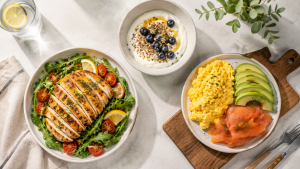
Tested meals: morning oats topped with yogurt, midday salad with fermented veggies, evening steamed carrots. Swap white rice for oats or add kraut to wraps for subtle shifts. Sensory warmth from cooking enhances comfort.
Focus on whole, room-temp foods to avoid shocking the gut. Over two weeks, I saw firmer stools and less gas. Hydrate alongside for full effect, creating a nourished rhythm.
These aren’t restrictive; they invite ease through familiar flavors. Build meals around them gradually for sustained gut health.
Sip and Chew for Immediate Comfort
Chewing thoroughly, habit 2, turns meals into digestion’s first ally—20-30 times per bite mixes saliva enzymes fully. Slow down, savor textures, set fork down between bites. It eases stomach workload instantly.
Pair with herbal teas, habit 7: ginger for warming motility, peppermint for soothing spasms, sipped mid-morning or post-dinner. Brew fresh, hold warmth in hands during breaths. This ritual layers calm with aid.
Meal guide: breakfast—chew oats mindfully with warm water chaser; lunch—add tea after slow bites. Evenings, tea precedes lighter chews. Quick comfort emerges, bloating fading fast.
Notice jaw rhythm syncing with breath for deeper presence. This duo brings warmth and lightness reliably.
Keep It Simple: Ease Into Lasting Balance
Overwhelm stalls change, so start with two habits—like warm water and a post-meal walk. Track in a notebook: note time, feeling before/after. This builds proof without pressure.
Pick one daily moment, say post-breakfast stroll, tying to existing flow. For busy lives, the Simple Daily Wellness Routine for Busy Days integrates these effortlessly. Layer others weekly, watching ease compound.
Printable tracker idea: list habits, checkboxes for days, space for notes on gut feel. Integrate one for a week, sensing the subtle warmth of better flow. Simplicity sustains what complexity can’t.
Release perfection; consistency in small doses grounds deeply. Your gut responds with gratitude—lighter, balanced days ahead.
Frequently Asked Questions
Can these habits really improve digestion without medication?
Yes, by supporting your body’s innate processes like motility and bacterial balance, many experience relief in 7-14 days from daily practice. I’ve tracked this in real life, with bloating easing as hydration, movement, and foods align naturally. Consistency amplifies results, often matching or exceeding meds for mild issues, though severe cases warrant professional input.
How do I fit these into a busy schedule?
Anchor to routines: sip warm water during your commute prep, breathe while waiting for coffee, walk on calls. Start with one swap per phase—morning water, midday stroll—to build without disruption. Over time, they weave in like breath, proven in packed days for steady gut rhythm.
What if I have food sensitivities?
Gently test one probiotic or prebiotic at a time, like yogurt first, noting reactions in a journal. Prioritize non-food habits—chewing, breath, walks—for universal support. Consult a nutritionist for tweaks, ensuring warmth and ease without triggers.
How long until I see better digestion?
Lighter feel often hits in 3-7 days with three habits, like water, chew, walk; full rhythm stabilizes in 4 weeks. Track subtle shifts—less gas, easier mornings—for motivation. Individual pace varies, but steady practice yields reliable warmth.
Do I need to do all 8 habits at once?
No, layer 1-2 from the checklist weekly to honor your rhythm and avoid overload. Focus on what resonates, like breath for stress-heavy days. This sustainable path fosters lasting balance, grounded in everyday testing.


Comments
Pingback: Beyond Blue Light: The Real Sleep Habit Reset for Restful Nights - Zippy Loom