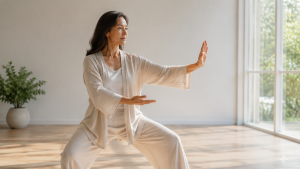
In the rush of back-to-back meetings, endless errands, and family demands, finding space for self-care often feels impossible. Yet, a simple daily walk offers a grounding rhythm that slips into your busiest days, bringing balance without adding stress. Imagine stepping out for just 10 minutes after a tense call—your breath deepens with each step, shoulders soften, and clarity emerges as if the world slows just for you.
This isn’t about overhauling your life or lacing up for marathons. It’s small, practical shifts that connect mind and body, easing tension while boosting focus. Busy parents and professionals alike discover how these walks restore harmony, turning chaotic schedules into moments of calm integration. You’ll walk away with step-by-step ways to start today, no matter your routine.
Walking taps into your natural need for movement and fresh air, creating a steady pulse amid the frenzy. As you read on, picture weaving this habit into your mornings, lunch breaks, or evenings—each option tailored for real life. These gentle changes build resilience, one footfall at a time.
Grounding Your Mind + Body with Every Step
Walking links mind and body through synced breath and movement, fostering calm focus without effort. Each step quiets mental chatter as you notice the rhythm of your footfalls on pavement or grass. Tension in your muscles warms and releases, creating space for clear thoughts to surface naturally.
Try this during a short commute: Inhale for four steps, exhale for four, feeling your posture align. This simple practice grounds scattered energy, much like a friend shared after a hectic workday—her 5-minute walk home shifted worry into workable plans. Breath becomes your anchor, movement your release.
Over time, this connection builds resilience. Your body learns to unwind through steady motion, while your mind gains perspective. It’s a holistic loop: steps ease the body, calm invites deeper breaths, and both nurture mental balance.
For those pairing walks with hydration habits, explore How to Stay Hydrated During a Busy Workday to enhance that refreshed feeling with every stride.
Finding Your Daily Rhythm: Morning, Midday, or Evening Walks
Morning walks greet you with soft light, grounding your start with fresh air and gentle movement. Rise 10 minutes early, step outside, and let birdsong or dew-kissed paths set a balanced tone. This rhythm awakens your body without rush, easing into the day’s demands.
Picture a parent circling the block while sipping coffee—the warmth in hands mirrors the subtle muscle stretch, priming focus for school runs and work calls. Midday walks counter desk slump with quick energy balance. Step away at lunch for 15 minutes around the office or park, feeling sunlight warm your face as steps shake off stagnation.
Evening strolls invite unwind, twilight calm softening the day’s edges. After dinner, a slow loop digests meals mindfully while breath deepens in cooler air. One professional found her 20-minute neighborhood walk dissolved work stress, fostering restful sleep.
Choose based on your flow: mornings for grounding, midday for recharge, evenings for release. These timings weave walks seamlessly, using natural cues like light shifts or meal ends. Experiment gently to find what sustains you.
| Time Slot | Mind + Body Benefits | Schedule Fit Tips | Simple Start Example |
|---|---|---|---|
| Morning | Grounds with light and breath; boosts focus | Tie to wake-up routine; 10 mins pre-breakfast | Block loop while coffee brews |
| Midday | Balances energy; releases tension | Post-meal or call break; park farther | Lunchtime office perimeter stroll |
| Evening | Unwinds with calm; aids digestion | After dinner; family join optional | Neighborhood loop as sun sets |
Layering Walks into Hectic Moments
Busy schedules thrive on micro-walks layered into existing routines, keeping momentum natural. Park at the far end of lots for extra steps, or pace during hands-free calls—these add up without carving new time. Feel the subtle warmth build as movement interrupts sedentary spells.
Stack walks with podcasts for mental unwind, turning commutes into dual-purpose rhythms. Post-meal pacing aids digestion, blending motion with breath for grounded satisfaction. One tip: circle your home during brainstorming, letting steps clarify ideas effortlessly.
For deeper integration, consider Quick Tips for Mindful Eating at Home, then follow with a short walk to seal that mindful close. These layers prevent overwhelm, turning fragments into a cohesive daily flow.
Keep It Simple: Tiny Steps to Avoid Overwhelm
Start with 5-10 minute walks—no gear, no apps, just shoes and door. This scale sidesteps perfection pressure, inviting consistency over intensity. Phone reminders tied to habits, like post-coffee alerts, spark the motion gently.
One walk reshapes your day: notice breath steady, muscles warm, mind settle. Reduce barriers by mapping nearby loops in advance, ensuring ease. Celebrate the step out; momentum builds from there.
If routines feel packed, align with Simple Daily Wellness Routine for Busy Days for complementary anchors. Simplicity grounds you, turning walks into effortless balance.
Real Stories: Walks That Restored Balance
Sarah, a working mom of two, wove morning walks into school drop-offs. Parking farther added 10 minutes of breath-focused steps, easing her rush-hour tension. Family dinners felt calmer as her grounded rhythm spilled over.
Mark, a project manager, adopted midday pacing during lunch calls. The movement balanced his screen fatigue, sharpening afternoon decisions. Evenings unwound naturally, sleep improved without extra effort.
These shifts highlight small changes: evening loops for a teacher became family time, fostering connection amid homework chaos. Walks restored their balance, proving tiny rhythms transform busy lives.
FAQ
How long should I start with if my schedule is packed?
Begin with 5-10 minutes—it’s enough for breath and movement sync without adding pressure to your day. This short burst grounds you quickly, building habit through gentle repetition. Over weeks, extend naturally as it feels right.
What if bad weather keeps me indoors?
Shift to indoor pacing or stair climbs; the steady rhythm still calms mind and body. Hallways or living rooms work, focusing on footfalls and breath amid rain. Movement’s essence persists, no matter the space.
Is walking enough for health in a busy life?
Yes, daily walks form a strong base, enhancing circulation, mood, and focus effectively. Layer other habits slowly if desired, but prioritize this accessible rhythm first. Consistency trumps intensity for lasting wellness.
How do I remember walks amid chaos?
Tie them to anchors like coffee breaks or email checks—simple cues trigger the step out. Phone nudges reinforce without nagging, weaving walks into your flow. One association daily sparks reliable momentum.
Can walks help with stress from non-stop days?
Absolutely; the steady pace quiets racing thoughts, releasing physical tension through warmth and motion. Breath deepens naturally, fostering perspective amid frenzy. Many find clarity returns, one stride at a time.
Pick one moment today—a morning breath, midday loop, or evening unwind—and step into your walk. Let this small rhythm ground you, inviting balance to unfold naturally.