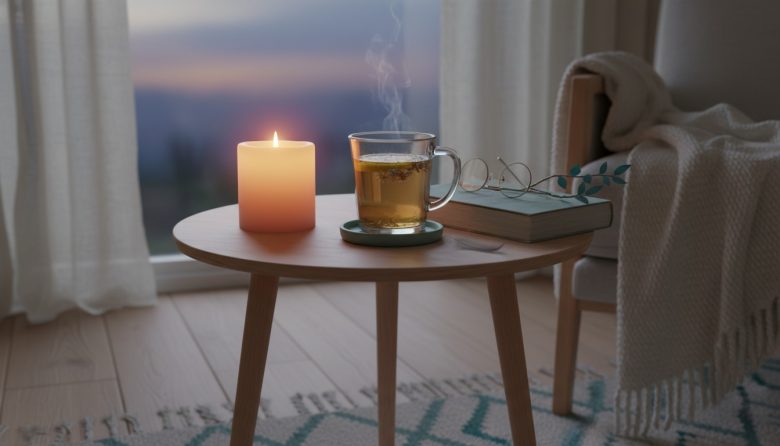
I remember those nights when the day clung to me like a heavy coat. Scrolling through emails at 10 p.m., my mind racing with tomorrow’s to-dos, I’d finally crash into bed only to toss for hours. That changed when I started a simple evening wind-down ritual—dimming lights, sipping warm tea, and letting out the day’s breath. Now, I slip into sleep easily, waking grounded and ready.
These rituals aren’t about perfection; they’re gentle bridges from bustle to rest. They lower stress, ease you into deeper sleep, and set a calm tone for mornings. Think reduced cortisol, steadier breath, and that quiet satisfaction of closing the day well. You’ll notice sharper focus and more patience the next day.
Benefits stack up naturally: better digestion from mindful meals, looser muscles from stretches, and a mind less tangled in worries. No fancy tools needed—just your space, a few cues like soft light and warmth. Let’s make evenings your gentle reset, one breath at a time.
Why Evenings Call for a Gentle Reset
Evenings mark the shift from action to recovery, when our bodies crave a signal to unwind. Without it, cortisol lingers, keeping us wired amid common pitfalls like late snacks or blue light from screens. I used to power through dinners while checking work, ending exhausted but restless.
Now, with a ritual, my nights feel balanced. Science backs this: dimming lights helps melatonin rise, mimicking sunset. Common traps include multitasking meals or endless scrolling—both spike alertness when we need calm.
- Screens after 8 p.m. disrupt sleep cycles.
- Rushed bedtimes leave tension unchecked.
- Heavy evening eats burden digestion.
Avoiding these opens space for rest. This leads naturally into linking mind and body, where breath meets movement for true release.
Mind + Body Connection: Breath and Movement to Unwind
Tension often hides in the neck or shoulders, mirroring mental chatter from the day. A quick body scan pairs breath with awareness: inhale for four counts, exhale tension from jaw to toes. This grounds you in the now, easing both.
Gentle neck stretches follow—tilt ear to shoulder, hold with a sigh. Sip warm herbal tea between, letting steam warm your face. These cues signal safety to your nervous system.
- Breathwalk: Slow steps around the room, syncing breath to movement.
- Journal + stretch: Write worries, then roll shoulders free.
- Tea + scan: Sip mindfully, scanning body head to foot.
Physical release quiets the mind effortlessly. From here, weave this into your evening rhythm for lasting flow.
Shaping Your Evening Rhythm with Flowing Transitions
Your daily rhythm sets the stage: mornings with light movement, middays like staying hydrated during a busy workday keep energy steady. Evenings build on this, starting at sunset with dimmed lights. I close meals mindfully, then shift to screen-free time.
Layer it gently: finish dinner by 7, tidy with soft music, move to breathwork. This mirrors nature’s fade from day to night. My routine includes top 5 houseplants for cleaner indoor air to freshen the space naturally.
A calm evening plan to unwind naturally fits here too—simple layers without rush. Nod to morning hydration or midday greens, but evenings anchor the cycle. Personal snippet: post-dinner walk, then tea by 8:30, bed by 10.
This rhythm flows into crafting steps, making your ritual uniquely yours.
Four Steps to Craft Your Signature Wind-Down
Build your ritual with these flowing steps, adapted from my trials. Start small, notice how warmth and breath settle you. Personal tip: light a candle early for that inviting glow.
- Clear the space: Tidy one area, like your bedside table, and light a candle for warmth. This takes about two minutes and creates a grounding focal point. Feel the shift as clutter fades.
- Release the day: Journal three gratitudes or tensions that arose. Five minutes here unloads mental weight. I scribble freely, then close the notebook with a deep breath.
- Engage senses: Brew herbal tea, play soft music, massage lotion into hands and feet. Around ten minutes lets aromas and textures soothe. Warmth spreads calm from skin inward.
- Signal rest: Do progressive muscle relaxation—tense and release from toes up. Dim lights fully over five minutes. This cues your body for sleep seamlessly.
Adapt these: swap journaling for voice notes if writing feels heavy. Track for a week in a simple note—sleep improves fast. These steps bridge to keeping it simple amid life.
Keep It Simple: One Layer at a Time
Overwhelm kills rituals, so layer one element weekly. Start with dimming lights or three breaths—no more. My first week was just tea; calm grew from there.
- Week 1: Candle + breath (2 min).
- Week 2: Add journal release.
- Week 3: Sensory tea time.
Perfectionism sneaks in—let it go; consistency builds habit. A personal story: I ditched rigid timers, flowing with my energy instead. Now it’s joy, not chore.
Pick one moment tonight to practice, like post-dinner breath. This invites mindful integration without pressure. Next, see how real tweaks evolve it further.
Real-Life Tweaks from My Wind-Down Evolution
Before rituals, evenings blurred into insomnia—wine for “relaxation” left me foggy. Swapping for tea brought clarity; sleep deepened. Trial-and-error honed it: no screens worked best.
Before: Rushed, tense, 1 a.m. bed. After: Grounded, 10 p.m. rest, refreshed mornings. Key swap? Heavy dinners to light soups.
- Family tweak: Shared breath circle before stories.
- Travel version: Hotel tea + mental scan.
- Winter add: Extra lotion for dry skin warmth.
These reinforce balance—your life shapes the ritual. Common questions arise, addressed next with practicality.
Your Most Common Questions Answered
How long should my evening ritual take?
10-20 minutes is ideal—short enough to sustain nightly, long enough for real impact on rest. I keep mine at 15; it fits busy evenings without rush. Adjust based on your energy, always prioritizing flow.
What if I have kids or a busy household?
Adapt with quiet zones, like a bedroom corner, or make it family-inclusive with group breaths. Consistency trumps perfection— even five minutes models calm for kids. My shared version strengthened our bonds.
Will this really improve my sleep?
Yes, by signaling rest to body and mind through cues like dim light and breath—many notice deeper, uninterrupted rest within a week. Track yours simply; science shows cortisol drops aid this. Personal proof: my wake-ups vanished.
Can I do this if I’m not ‘spiritual’?
Absolutely—it’s practical habits with sensory grounding, like tea warmth and stretches, no mysticism needed. Focus on body cues and rhythm. Skepticism fades as results show up nightly.
What if I miss a night?
Gentle restart: rituals build resilience, not rigidity—one off-night doesn’t erase progress. Pick up next evening with your one simple layer. This flexibility keeps it sustainable long-term.



Comments
Pingback: The Evening Wind-Down Routine: Decoding the 3-3-3, 10-5-3-2-1, and Japanese Sleep Tricks for Better Sleep Habits - Zippy Loom