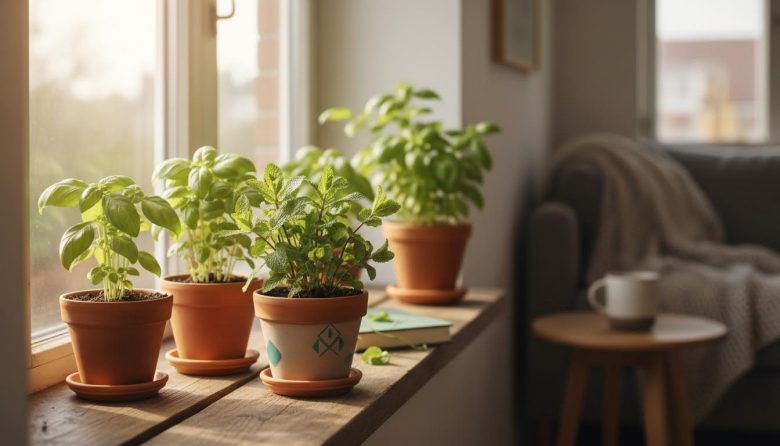
I remember the first time I tucked a basil plant into a pot on my kitchen windowsill. It was during a hectic stretch of deadlines and family chaos, and that simple act brought an unexpected wave of calm. The earthy scent rising from the soil grounded me, while the vibrant green leaves added fresh pops of flavor to my everyday meals—think pesto swirled into pasta or mint muddled in summer drinks.
Growing your own herbs isn’t about turning into a master gardener overnight. It’s a gentle ritual that saves money, connects you to natural rhythms, and turns cooking into a sensory delight. Beginners thrive with this because the setup is straightforward, using everyday spaces like sills or counters. As you’ll see, picking just one herb this week can spark a habit of balance and joy.
These plants reward patience with quick growth and endless uses. They invite light movement into your day, like a quick snip before dinner. Let’s ease into it together, step by practical step.
Selecting Starter Herbs That Thrive in Everyday Spaces
Start with herbs that forgive beginner mistakes and fit right into your kitchen flow. Basil loves warmth and brightens salads or sauces. Mint spreads joy in teas or fruit bowls, bouncing back from frequent trims.
Parsley offers curly freshness for garnishes and smoothies, while chives bring mild onion notes to eggs or potatoes. Thyme, with its tiny leaves, seasons roasts and soups without much fuss. I matched basil to my pasta nights and mint to morning brews—they became instant kitchen companions.
These five—basil, mint, parsley, chives, thyme—grow well in pots or small spots. They need basic light and water, delivering quick wins like first harvests in weeks. Choose based on your meals for that personal touch.
Picture your counter alive with these greens. It’s a low-effort way to infuse warmth into daily cooking. No vast garden required—just a sunny corner.
Creating Your Cozy Herb Corner with Kitchen Staples
Transform a windowsill into your herb haven using pots from the dollar store or recycled cans. Layer gravel at the bottom for drainage, then fill with a basic potting mix from any garden shop—nothing fancy needed. I punched holes in old yogurt tubs for my first setup, and it worked like a charm.
Pick a spot with steady light, like south-facing if possible. Add a saucer underneath to catch drips. My sunny sill became a cozy ritual spot during rushed mornings.
Here’s a quick 5-minute prep routine: Gather pots, soil, and seeds or starters; moisten the mix; plant gently and water lightly. Set them out and watch roots take hold. This simple corner invites grounding moments amid the day’s bustle.
Over time, it evolves naturally. Adjust as you learn your space’s light and warmth. The joy builds from these small, tactile steps.
Nurturing Mind and Body Through Gentle Garden Tending
Tending herbs weaves mind and body together through subtle, practical actions. Pressing fingers into cool soil grounds scattered thoughts, easing tension with each pat. Deep breaths amid the fresh, green aromas slow your rhythm, fostering calm focus.
Try a 2-minute soil touch ritual: Pause after work, sink hands into the earth, and let warmth release the day’s grip. Watering becomes light stretching—reach high for overhead leaves, bend low for base roots. Harvesting turns into mindful movement, snipping with intention for steady breath.
These moments build balance without effort. Pair herb care with a sip from how to track water intake with fun reminders, as hydration supports that grounded feel. Your body responds to the light touch and natural scents.
Over weeks, this practice softens stress edges. It’s approachable wellness, rooted in everyday tending.
Daily Rhythms: Morning Glow, Midday Mist, Evening Prune
Align your care with the day’s natural flow for effortless growth. Mornings glow with a quick light check—turn pots for even sun—and a gentle pinch of tops to encourage bushiness. This 1-minute ritual sets a balanced tone.
Midday brings a mist if soil feels dry to the touch; use room-temperature water for root comfort. Evenings invite pruning: Sniff for readiness, trim leggy stems, and savor the earthy release. My routine evolved during busy seasons, keeping things light.
These rhythms—morning glow, midday mist, evening prune—prevent overwhelm. They mirror your body’s cues for rest and renewal. Integrate one, like evening trims, to unwind naturally.
Consistency builds thriving plants and personal steadiness. Feel the warmth of light and moisture’s cool relief daily.
Before diving deeper, here’s a quick reference to compare care across your starter herbs.
| Herb | Light Rhythm (hours/day) | Watering Cue | Soil Feel |
|---|---|---|---|
| Basil | 6+ sunny hours | Top inch dry | Loose & warm |
| Mint | 4-6 bright hours | Moist, not soggy | Rich & cool |
| Parsley | 4 indirect hours | Evenly damp | Well-draining |
| Chives | 4-6 moderate | Dry between waters | Light & airy |
| Thyme | 6+ direct | Sparingly, dry out | Sandy & gritty |
This snapshot simplifies decisions at a glance. Use it to match your space and build confidence.
Keep It Simple: Master Three Herbs Before Expanding
Overwhelm fades when you focus on a trio: basil, mint, parsley. Start with three pots to keep counters clear and routines light. This approach delivers taste wins without scattered effort.
Week one routine: Day 1 plant, days 2-7 tend with morning checks and evening glances. Forgive the first wilt—it’s a teacher. Weekly check-ins: Feel soil, snip tips, note growth.
- Pick matching pots for visual calm.
- Set phone reminders for water cues.
- Taste early to celebrate progress.
Master these, then add chives or thyme. Simplicity nurtures lasting habits. Your kitchen gains rhythm without excess.
From here, expansion feels natural. Build on these foundations for sustained joy.
Harvesting Homegrown Flavor and Sustaining the Cycle
Harvest when leaves reach 4-6 inches: Snip tops just above a leaf node for bushy regrowth. Use sharp scissors for clean cuts, morning hours best for peak oils. Store in damp towels in the fridge or infuse oils for weeks of use.
My first basil pesto—blended with nuts and olive oil—turned a weeknight into a ritual. Replant stem scraps in water until roots show, cycling freshness endlessly. This sustains the loop of growth and flavor.
Enhance meals by chopping chives into eggs or thyme into stews. For lasting energy, blend herbs into recipes from 10 natural foods to boost your daily energy. Evening snips pair well with a calm evening plan to unwind naturally.
Long-term, rotate pots yearly for fresh soil. This practice deepens your connection to natural cycles, one snip at a time.
Ready to begin? Pick one morning rhythm this week—like a light check—for your first herb. Let it ground your days gently.
Frequently Asked Questions
Can I grow herbs indoors with limited sunlight?
Yes, parsley and chives handle north-facing sills beautifully with their modest light needs. For others like basil, add an affordable grow light for 4-6 hours daily to mimic sun warmth. Rotate pots weekly and watch for steady, vibrant growth without stretching leggy.
How often should I water my herbs?
Check soil daily by touching the top inch—water only when dry, using room-temperature liquid to avoid shock. Aim for consistent moisture like a wrung-out sponge, adjusting for your home’s humidity. This prevents root rot while keeping plants perky and aromatic.
What if my herbs start wilting?
Wilting often signals underwatering, overwatering, or tight roots; start by soaking the pot in a sink for 10 minutes. Mist leaves for quick revival and repot into fresh mix if crowded. Most bounce back in days with gentle care and brighter light.
Do I need special soil or fertilizer?
Standard potting mix with perlite drains perfectly for beginners—no specialty blends required. Mix in compost monthly for natural nutrients, or dilute fish emulsion for a gentle boost. This keeps soil alive and supportive without chemical overload.
How long until I can harvest?
Expect first snips in 4-6 weeks from seeds, sooner with starters—pinch regularly to promote fuller plants. Harvest outer leaves to let centers develop, ensuring months of yields. This rhythm turns waiting into ongoing abundance.