Picture this: the day’s demands winding down, yet your mind races with unchecked emails, family chatter, and that lingering to-do list. Many of us tumble into bed exhausted but wired, chasing elusive sleep amid the evening chaos. The good news is a balanced evening unwind can transform this into a gentle bridge to restorative rest, easing you into deeper, more refreshing nights.
I’ve been there as a busy parent, juggling dinner prep and kid bedtime stories while scrolling news feeds late into the night. One small shift—swapping my phone for a five-minute breath pause—changed everything, leading to mornings with clearer focus. In this plan, we’ll explore practical steps to craft your own evening rhythm, from mind-body links to simple sensory cues, all designed for real life.
These aren’t rigid rules but invitations for small, sustainable changes. You’ll find step-by-step guidance, real-life examples like a quick post-dinner stretch, and ways to keep overwhelm at bay. Start tonight with just one idea, and notice how your rest blooms from there.
The Gentle Shift: Why Your Evenings Set the Stage for Restful Nights
Your evenings act as a bridge from daytime hustle to nighttime calm. As sunlight fades, your body naturally cues melatonin for sleep, but lingering stress keeps cortisol high, blocking that shift. A deliberate unwind helps lower those levels, paving the way for quality rest.
Think of it like dimming stage lights before the curtain falls—your system relaxes into the role of rest. I remember nights lost to pre-bed scrolling, my mind buzzing like a hive. Introducing a simple breath pause midway through evening chores grounded me, easing tension almost instantly.
This transition isn’t about perfection but consistency. Over time, it trains your body clock for reliable sleep signals. Gentle cues like softening lights signal safety, inviting your nervous system to unwind.
Mind + Body: Linking Breath and Gentle Movement for Grounded Calm
The mind and body speak the same language of calm through breath and movement. When you pair deep belly breaths with soft stretches, tension releases, fostering a grounded state. This duo quiets racing thoughts while easing physical knots.
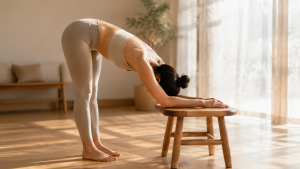
Try this: sit tall, place a hand on your belly, and count four inhales through the nose, feeling it rise, then six exhales. Add seated stretches—forward folds or shoulder rolls—for five minutes post-dinner. One friend, a nurse on long shifts, used this yoga flow to melt away back tightness before bed.
Movement warms muscles gently, while breath anchors the mind. Together, they create balance, reducing the urge to toss and turn. Make it routine, and you’ll slip into sleep more effortlessly.
For deeper calm, explore 7 Herbs for Everyday Calm and Focus, where options like chamomile pair beautifully with these practices.
Building Your Evening Rhythm: A Natural Flow from Dusk to Dreamtime
A daily rhythm honors your body’s natural cycles, especially in the evening when dusk signals slowdown. Start by dimming lights at sunset to mimic natural darkening, cueing melatonin release. This paced flow contrasts rushed multitasking, creating space for unwind.
Herbal tea becomes your transition marker—sip chamomile slowly as you shift from tasks to rest. Evenings paced this way feel grounding, like a river smoothing stones over time. I once rushed through baths and bedtimes; now, this rhythm brings warmth and predictability.
Midday busyness fades as evening options align: light movement, mindful pauses. It builds resilience for better sleep without force. Embrace this flow, and rest becomes a natural extension of your day.
Your 5-Step Evening Unwind
- Step 1: Dim the Lights (6-7 PM) – Soften room glow to cue melatonin, like lighting a candle or salt lamp. Feel the shift from bright fluorescents to warm hues, signaling your body it’s time to ease.
- Step 2: Nourish Lightly (7 PM) – Warm soup or herbal infusion, chewed mindfully away from screens. Link this to How to Practice Mindful Eating During Meals for savoring each bite with presence.
- Step 3: Move Gently (8 PM) – 10-minute walk or stretch, noticing warmth spread through limbs. This releases the day’s hold, inviting flexibility into body and breath.
- Step 4: Unwind the Mind (9 PM) – Journal three gratitudes, followed by deep belly breaths. Let thoughts settle like leaves on a quiet pond.
- Step 5: Nestle In (9:30 PM) – Cozy bedding ritual, no devices, with a full body scan from toes to crown. Invite sleep as a welcome guest.
Pick one step tonight—maybe dimming lights—and feel immediate ease. This sequence builds progressively, turning evenings into a sanctuary without overwhelm.
Sensory Anchors: Warmth, Scent, and Soft Sounds to Ease Into Rest
Sensory cues ground you in the present, easing the slide into sleep. Warmth from a weighted blanket hugs your form, signaling safety to your nervous system. Pair it with a lavender mist on pillows for a subtle, calming scent.
Soft sounds like gentle rain or ocean waves play low, masking distractions. A warm bath with Epsom salts before bed—one of my favorites—melts tension, leaving skin soft and muscles loose. These anchors create a cocoon of calm.
Rotate them nightly to keep the ritual fresh yet familiar. Over time, they become sleep triggers, shortening the path to dreamtime. Simple, tactile joys make unwind effortless.
Keep It Simple: One Small Change to Avoid Evening Overwhelm
Evening rituals thrive on simplicity—no need for elaborate setups. Swap endless scrolling for a single stretch; one habit compounds into rhythm. Multitasking scatters energy, while focus brings balance.
A client overwhelmed by “perfect” routines stuck with just breath pauses, noticing deeper sleep in days. Essentials like dim lights and gratitude journaling suffice. Less truly invites more rest.
Start small to build momentum. This approach honors your real life, turning unwind into a gentle anchor amid busyness.
Wake Refreshed: How Evening Balance Blooms into Better Days
Evening balance ripples into mornings of steady energy and clear minds. Gone are groggy starts; instead, you rise grounded and ready. Consistent rhythms stabilize your body clock for sustained vitality.
Track one week: note rest quality and daytime ease. You’ll likely feel the bloom—sharper focus, less afternoon drag. For screen habits amplifying this, see Daily Tips to Cut Down on Screen Time.
Choose one moment today to practice, like a breath pause. Your refreshed days await these small integrations.
Frequently Asked Questions
Can I fit this into a late work schedule?
Yes, compress the plan to 30 minutes post-dinner by prioritizing breath and light movement. Focus on dimming lights and a quick journal entry right before bed. Even short bursts build the rhythm your body craves.
What if my evenings are noisy with family?
Create a quiet corner with earplugs or soft music, carving personal space amid the bustle. Involve kids in gentle wind-downs like shared stretches or story time. This fosters collective calm without isolation.
Does avoiding screens really improve sleep?
Absolutely—blue light suppresses melatonin, delaying rest onset. Aim for a one-hour buffer, filling it with a book or breath work. Many notice faster sleep within nights of this shift.
How long until I notice better rest?
Typically 3-5 nights as your body clock settles into the new rhythm. Consistency amplifies results, with deeper sleep cycles emerging by week two. Be patient; small changes yield steady gains.
Are herbal teas safe every night?
Chamomile or valerian are gentle for most adults when used nightly in moderation. They’re caffeine-free and soothing, but consult your doctor if on medications or pregnant. Rotate varieties to keep benefits fresh.