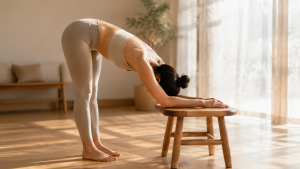
Picture this: the day’s demands have piled up—endless emails, family logistics, and that nagging to-do list that never quite empties. As evening arrives, your body signals fatigue, yet your mind races ahead to tomorrow. Creating a relaxing evening wind-down ritual offers a gentle bridge to rest, fostering deeper sleep and a sense of balance in your natural living rhythm.
These rituals aren’t about perfection; they’re simple practices that signal to your body it’s time to unwind. Better sleep comes from this intentional shift, reducing stress hormones and easing you into restorative rest. In this guide, we’ll explore practical steps—from mind-body connections to sensory cues—that fit real life, with encouragement to start small tonight.
Expect step-by-step tips, real-life examples, and ways to keep it overwhelm-free. Whether you’re a busy parent or remote worker, these adjustments build a calming evening flow. Let’s ease into it together, one breath at a time.
Why Evenings Crave a Gentle Unwind
Evenings mark the natural transition from activity to rest, yet modern life often blurs this boundary with bright screens and lingering tasks. Without a gentle unwind, sleep quality suffers—tossing and turning replaces deep recovery. This leaves you starting the next day already drained.
Consider Sarah, who used to collapse into bed after scrolling social media, waking exhausted despite eight hours. After adopting a simple wind-down, she noticed calmer nights and sharper mornings. This shift highlights how evenings crave structure to restore balance.
Such rituals ground your day’s rhythm, paving the way for mind-body harmony. They quiet mental chatter, allowing physical tension to release naturally. As we move to linking mind and body, you’ll see how small practices amplify this calm.
Linking Mind and Body for Restorative Evenings
The mind and body connect deeply in evenings, where thoughts influence muscle tension and breath sets the pace for sleep. Pairing breathwork with light stretching creates a restorative loop—slow inhales relax the nervous system while gentle moves ease held stress. This integrative approach feels natural, not forced.
Try this 5-minute body scan: Lie down or sit comfortably. Start at your toes, noticing warmth or tightness, then breathe into each area up to your head. One real-life example is my friend who does this post-dinner; it cuts her pre-bed anxiety in half.
These practices build resilience for daily demands. They remind your body it’s safe to let go. This foundation flows seamlessly into crafting your evening rhythm.
Building Your Evening Rhythm with Flow
Your evening rhythm starts post-dinner, aiming for bedtime with steady, calming steps. Tie it to your full day for balance—think morning light exposure to regulate sleep, midday pauses like those in our 30-Day Gentle Walking Challenge for Beginners for sustained energy. Evenings then become the unwind anchor.
Customize your flow: dim lights at 8pm to mimic sunset, add movement around 9pm like a short walk. This creates a predictable sequence that your body anticipates. For variety, glance at options below to match your lifestyle.
Evening Wind-Down Options at a Glance
| Ritual Option | Time Needed | Mind + Body Benefit | Simple Start Tip |
|---|---|---|---|
| Herbal tea ritual | 10 minutes | Calms racing thoughts, soothes digestion | Brew chamomile with a favorite mug; sip slowly by a window |
| Gentle yoga flow | 15 minutes | Releases physical tension, quiets mental loops | Three poses: child’s pose, legs up the wall, savasana |
| Journaling pause | 5-10 minutes | Offloads worries, fosters gratitude | Write three wins from the day and one release |
| Breathwork sequence | 7 minutes | Lowers heart rate, deepens body awareness | 4-7-8 breathing: inhale 4, hold 7, exhale 8; repeat 4x |
| Light reading ritual | 20 minutes | Eases into imagination, reduces screen strain | Choose a physical book; dim lamp for soft light |
This table clarifies choices, helping you pick what fits. Evening rhythms evolve with practice, leading naturally to sensory grounding.
Sensory Cues to Ground and Soothe
Sensory cues like soft light and warmth anchor your unwind, signaling safety to your nervous system. Dim lamps create a cozy glow, while warm socks add tactile comfort against cool floors. Breath becomes your steady guide, deepening with each exhale.
Imagine a candlelit bath with lavender’s subtle aroma—its steam warms your skin, easing the day’s grip. Or wrap in a soft blanket, feeling its weight as grounding pressure. These cues make rituals sensory and memorable.
Movement ties in too, like swaying to quiet music, blending rhythm with release. They enhance the mind-body link without effort. Now, let’s simplify to avoid overwhelm.
Keep It Simple: One Shift to Ease Overwhelm
Wind-downs thrive on simplicity—start with 10-15 minutes to sidestep burnout. Swap one screen session for stretches, building from there. This small change creates momentum without reshaping your life.
For instance, set a phone timer for a tea break instead of late-night browsing. Notice how breath slows naturally. Over time, these micro-shifts compound into profound rest.
Pick one moment tonight: perhaps breathwork before brushing teeth. This gentle integration honors your rhythm. Everyday examples will show how others make it real.
Everyday Examples to Inspire Your Ritual
Take Lisa, a busy parent: her 3-step unwind is dimming lights at 8pm, sharing a mindful meal inspired by Quick Tips for Mindful Eating at Home, then a 5-minute journal. Bedtime feels welcoming now, not rushed.
A remote worker like Tom pairs breath scans with herbal tea, linking to better digestion through habits like those in 8 Habits for Better Digestion Naturally. His sleep improved in weeks, with less midnight wake-ups.
Step-by-step integration: Week one, add one cue like warmth. Week two, layer movement. These stories prove rituals adapt to any routine, recapping our path to calm evenings.
We’ve covered the why, mind-body links, rhythms, sensory tools, and simple starts. Your evening ritual builds balance, one intentional step at a time. Tonight, choose one practice—let it unfold naturally for deeper rest tomorrow.
Embrace this as a gift to yourself, fostering the grounding your body craves. Small changes yield lasting rhythm. You’re ready to unwind with ease.
Frequently Asked Questions
Can I fit a wind-down ritual into a busy evening schedule?
Yes, absolutely—begin with just 5 minutes, like a quick breath scan while waiting for dinner to finish. Scale up as it feels natural, perhaps stacking it onto brushing teeth. Busy schedules thrive on these micro-moments, turning chaos into calm without extra time.
What if screens are unavoidable before bed?
Screens challenge sleep, but gentle alternatives help: use night mode, pair with blue-light glasses, or follow with a 2-minute stretch to reset. Transition by placing your phone across the room post-use. This respects reality while prioritizing rest.
Does this work for night-shift workers?
It adapts beautifully—mirror your “evening” to post-shift, like dimming lights upon home arrival regardless of clock time. Focus on personal rhythm over societal norms, using cues like warmth right before sleep. Many shift workers report steadier rest this way.
How soon will I notice better sleep?
Some feel calmer nights within days; deeper changes like fewer wake-ups take 1-2 weeks of consistency. Track with a simple note each morning. Real examples show steady improvement as your body learns the new rhythm.
Are special products needed for these rituals?
No, household items suffice—a cozy blanket, dim lamp, or kitchen tea works wonders. Start with what you have for true simplicity. Over time, add favorites like lavender if desired, but basics deliver the grounding.