I remember evenings when the day’s chaos clung to me like a heavy blanket—emails buzzing, mind racing, body tense from hours at the desk. One night, after skipping dinner for a late call, I collapsed into bed exhausted but wide awake. That’s when I started shifting toward simpler ways to unwind, letting natural cues like fading light guide me back to calm.
Modern life pulls us into bright screens and endless tasks, but our bodies still crave the quiet rhythm of dusk. This calm evening plan isn’t about rigid rules or fancy tools. It’s a gentle flow of breath, movement, and warmth to ground you, making rest feel natural and restorative.
Through small changes, like dimming lights early and pairing a warm sip with a shoulder roll, I turned frantic nights into ones where sleep came easily. You can too—start with one cue tonight. These steps build a balanced unwind that fits any schedule, fostering that deep sense of release.
Signals Your Body Craves in the Evening Hours
As daylight fades, your body sends subtle signals: eyelids grow heavy, breath naturally slows, muscles soften from the day’s hold. I used to push through these with coffee or scrolling, ending up wired instead of weary. Honoring them now sets a calm foundation for the night.
Feel the shift in light first—it cues your inner clock to wind down. Muscles release when you pause, like shoulders dropping after carrying tension all day. Tuning in early prevents that 10 p.m. slump.
One evening, ignoring these left me tossing for hours. Now, a quick scan—am I breathing deeply? Is my jaw clenched?—guides me back. These cues are your body’s quiet invitation to balance.
Mind + Body Connection: Gentle Bridges to Balance
Deep belly breaths paired with slow shoulder rolls create a simple bridge between mind and body. Inhale for four counts, roll shoulders back on the exhale—tension melts without effort. This flow eases racing thoughts while loosening tight spots.
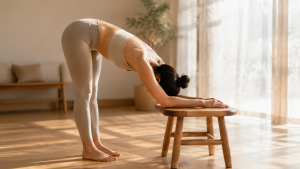
Try light stretches synced to your breath: forward fold on exhale, arms swaying gently. After long days at my desk, this practice turned knots into ease. It’s integrative, calm, and takes just moments.
I recall a stressful week when these bridges were my anchor. Mind quieted as body softened, blending the two seamlessly. No overwhelm—just practical steps for evening balance. For more on building this habit, explore How to Build a Simple Morning Stretch Routine to carry calm through the day.
Daily Rhythm: Evening Anchors with Flexible Options
Build your evening rhythm with anchors like dimming lights for a smooth transition from movement to stillness. Start post-dinner with a short walk, then ease into breath work. Midday prep, like quick breath breaks, makes evenings flow better.
Morning options set the tone: a five-minute stretch to prime awareness. Midday, pause for sunlight and deep inhales. Evenings tie it together with warmth and quiet.
This flexible rhythm adapts—busier nights mean seated options, relaxed ones allow more flow. It’s about grounding cues over perfection. Tie in nourishing meals earlier; see Weekly Meal Plan Using Fresh Seasonal Veggies for dinner ideas that support unwind.
Evening Unwind Routine Options Comparison
| Routine Option | Duration | Mind + Body Benefit | Quick Start Tip |
|---|---|---|---|
| Gentle Stretch Flow | 10 minutes | Releases held tension, calms racing thoughts | Roll shoulders with 4-count breaths |
| Herbal Warmth Ritual | 15 minutes | Grounds with soothing heat, eases digestion | Sip chamomile by candlelight |
| Reflective Journal Pause | 5-10 minutes | Quiets mental loops, fosters gratitude | Note 3 simple wins from the day |
| Foot Soak Release | 10 minutes | Draws tension downward, promotes full-body calm | Add warm water and a drop of lavender |
| Guided Breath Walk | 10-15 minutes | Syncs movement with breath for mental clarity | Step slowly, exhale with each footfall |
Pick one row from this table to try tonight—it personalizes your unwind without choice overload. Notice how the mind + body benefit aligns with your evening needs. These options build rhythm gently, integrating into your natural flow.
Start small; swap based on energy. Over time, they create a supportive evening cadence. This clarity reduces decision fatigue, letting calm take hold.
Keep It Simple: Three Anchors to Avoid Evening Overload
Anchor 1: Breath check-in. Pause for three deep cycles—inhale light, exhale release. It grounds instantly amid busyness.
Anchor 2: One sensory cue. Choose warmth from a mug or soft light dimming. These cues signal safety to your body.
Anchor 3: Grateful close. Name one moment of ease from the day. It shifts mind from loops to balance.
Here’s a quick list to start:
- Breath check: Sit, breathe, repeat twice.
- Sensory cue: Hold warm tea, feel the steam.
- Grateful close: Whisper thanks for rest ahead.
My tip: Begin with just one anchor nightly. I did this during a hectic month, and evenings transformed without added load. Simplicity breeds consistency.
Sensory Cues That Ground and Restore
Dimming light mimics sunset, easing your inner rhythm. Soft textures like a blanket invite muscle release.
Ambient sounds—gentle rain or quiet breath—drown out mental noise. Mindful sips of warm herbal tea add soothing warmth.
Try a foot soak: warm water grounds energy downward. Or hand self-massage with slow circles. These cues tie into natural living, restoring balance effortlessly.
For light meals that complement this, check How to Prep Nutritious Salads in Under 10 Minutes to end your day lightly.
A Real Evening from My Routine
Around 7 p.m., I step out for a 10-minute post-dinner walk—cool air clears my head, breath syncing with steps. Back home, lights dim low, creating that grounding shift.
Next, mind + body stretch: shoulder rolls into forward folds, five minutes total. It releases desk tension, mind quieting with each exhale.
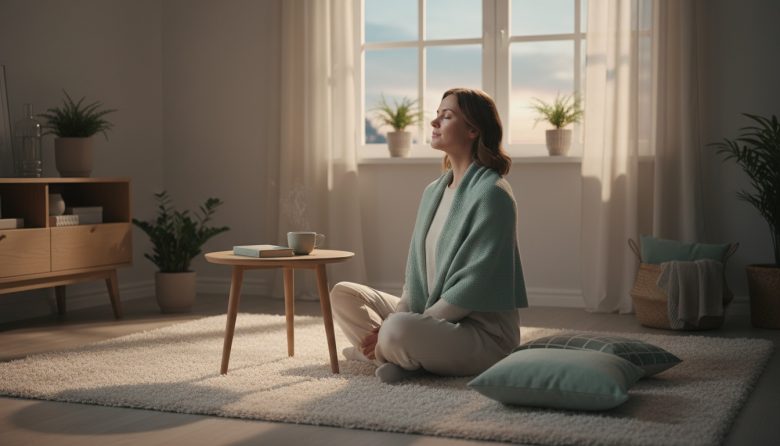
Then, herbal tea by the window—chamomile warmth in hand—followed by journaling three wins. I wind down with a simple read, no screens after 8:30. Bed by 9:30 feels natural.
For busier nights, I shorten to breath anchors only. Adapt this flow to yours—maybe swap walk for seated stretches. Pick one moment today to practice, like a breath pause, and let it ripple into calm evenings ahead.
Frequently Asked Questions
How much time does this evening plan really take?
This plan flexes to your life—start with 10-20 minutes total, focusing on quality moments like a quick stretch or breath check. As it becomes habit, it weaves in naturally without clock-watching. Build gradually; even five minutes honors your body’s cues effectively.
What if screens are unavoidable in my evenings?
Screens happen—layer in a five-minute breath break before and after to reset. Use blue-light filters and pair viewing with gentle shoulder rolls for balance. Over time, this softens their pull, easing into unwind.
Is this workable for parents or shared living spaces?
Absolutely—quiet anchors like seated breaths or journaling fit anywhere, even with noise around. Involve family in shared warmth, like a group tea sip. It creates collective calm without disruption.
Will this help if I struggle with falling asleep?
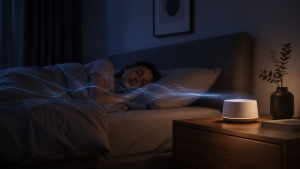
These cues align with your body’s rest signals, like dim light and breath work, supporting natural sleep onset. Consistency builds rhythm; many notice easier drifts to sleep within a week. Pair with a consistent bedtime for best flow.
How do I stick with it without it feeling like a chore?
Select one anchor from the ‘Keep It Simple’ section and track small wins in a note. Tie it to an existing habit, like post-dinner breath. Natural rhythm emerges from gentle repetition, turning practice into pleasure.