Why Most High-Protein Breakfast Lists Fail You
I’ve been there—scrolling through endless blog posts of egg muffins and smoothie bowls, wondering if I’ll ever hit 30 grams of protein without eating a rubbery chicken breast at 7 a.m. The problem isn’t a lack of recipes. It’s a lack of a system. After coaching dozens of clients through breakfast struggles, I realized the real gap: nobody teaches you how to build a high-protein breakfast. You need a reusable formula, not a list of meals you’ll forget by Tuesday.
Here’s the truth: the easiest high-protein breakfast is the one you can assemble from ingredients you already have. But to get to 30g or 40g consistently, you need a framework. Let me show you the Simple 3-Part Formula that I’ve used to help clients drop cravings, stabilize energy, and finally stop guessing at breakfast.
The Simple 3-Part Formula: Protein Base + Fiber Vehicle + Healthy Fat
This is the core of Simple Nutrition. Every high-protein breakfast can be built from three components:
- Protein Base (the main source: eggs, Greek yogurt, cottage cheese, tofu, protein powder, lean meat)
- Fiber Vehicle (the carbohydrate that slows digestion: oats, berries, whole-grain toast, chia, vegetables)
- Healthy Fat (for satiety and nutrient absorption: nuts, seeds, avocado, olive oil, nut butter)
The magic happens when you combine them in specific ratios. A single food rarely hits 30g. But a template always can.
How to Use the Mix-and-Match Chart
Below is a chart I give every new client. Pick one item from each column. The total protein is listed for each combination. You can scale up or down by adjusting serving sizes.
| Protein Base (choose 1) | Fiber Vehicle (choose 1) | Healthy Fat (choose 1) | Approx. Protein (g) |
|---|---|---|---|
| 2 large eggs (12g) | 1 cup cooked oats (5g) | 1 tbsp almond butter (3g) | 20g |
| 1 cup Greek yogurt (20g) | 1/2 cup berries (1g) | 1 tbsp chia seeds (3g) | 24g |
| 3/4 cup cottage cheese (18g) | 1 slice whole-grain toast (4g) | 1/4 avocado (1g) | 23g |
| 1 scoop protein powder (25g) | 1 cup unsweetened almond milk (1g) | 1 tbsp flaxseed (2g) | 28g |
| 4 oz smoked salmon (20g) | 1/2 cup quinoa (4g) | 1 tbsp olive oil (0g) | 24g |
| 2 eggs + 1/2 cup egg whites (20g) | 1 cup spinach (1g) | 1 tbsp hemp seeds (3g) | 24g |
Note: These are base totals. You can combine multiple protein sources (e.g., eggs + Greek yogurt) to push higher. The chart is a starting point—not a rigid rule.
How to Get 30g of Protein at Breakfast (The Simple Math)
This is the number one question I get. The answer is simple: combine two protein-rich foods. For example, 2 eggs (12g) plus 1 cup Greek yogurt (20g) equals 32g. Add a fiber vehicle like oats (5g) and you’re at 37g without even trying.
Here’s a real-world scenario: I once had a client who was a nurse working 12-hour shifts. She needed a breakfast that would keep her full until lunch. She hated eggs. So we used 1 cup cottage cheese (18g) mixed with 1/2 cup pumpkin seeds (10g) and a sliced apple (0g). That’s 28g, then she added a scoop of collagen peptides (10g) to her coffee. Boom—38g. She never looked back.
Most people don’t realize that cottage cheese is an underrated protein powerhouse. A 1-cup serving delivers 18–25g protein depending on the brand. Pair it with fruit and nuts, and you’ve got a 5-minute, no-cook breakfast.
The Highest Protein Breakfast Item: Not What You Think
If you’re looking for the single highest protein breakfast item, it’s not chicken or eggs. It’s non-fat Greek yogurt (or skyr). A single cup of Fage 0% plain Greek yogurt has 23g of protein. Add a scoop of whey protein (25g) and you’re at 48g in one bowl. But here’s the trade-off: without fat, it may not keep you full for long. That’s why the formula includes a healthy fat.
Another contender: egg whites. 1 cup of liquid egg whites has about 26g protein. But again, pure protein without fat or fiber won’t sustain you. The thing nobody tells you about egg whites is they can be bland and watery unless you season them well and add a fat source like avocado or cheese.
How to Get 40g of Protein at Breakfast (No Shakes Required)
Hitting 40g is about layering. Here’s a template that works every time:
- Protein Base: 2 eggs (12g) + 1/2 cup egg whites (12g) = 24g
- Fiber Vehicle: 1 cup cooked quinoa (8g) or 1/2 cup steel-cut oats (7g)
- Healthy Fat: 1 tbsp hemp seeds (3g) + 1/4 avocado (1g)
- Total: 36–40g, depending on brands.
Another option: 1 cup Greek yogurt (20g) + 1 scoop protein powder (25g) + 1/2 cup berries (1g) = 46g. That’s a smoothie bowl. But be careful—protein powders vary. Some have 20g per scoop, others 30g. Check the label. For a deeper dive on how to calculate exact protein content of individual ingredients, see our Granola Protein Calculator—it’s great for customizing your own mix.
When I first tried to hit 40g, I made the mistake of relying on a single protein food. I’d eat 4 eggs (24g) and think that was enough. It wasn’t. I learned the hard way that you need to combine at least two protein sources plus a fiber vehicle to get both the quantity and the satiety.
What Is the Easiest High-Protein Breakfast? (5 Minutes or Less)
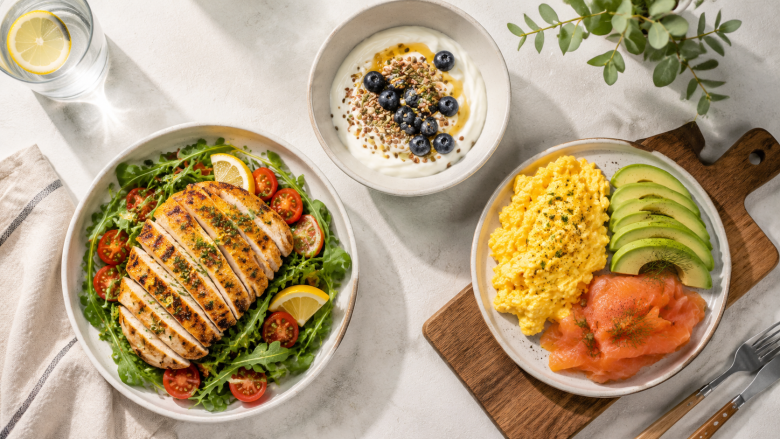
The easiest high-protein breakfast is the one you don’t have to cook. My go-to: Greek yogurt bowl. 1 cup plain Greek yogurt (20g), 1/2 cup frozen berries (1g), 1 tablespoon chia seeds (3g), and 1 tablespoon almond butter (3g). 27g total. Want 30g? Add a scoop of collagen peptides (10g) to your coffee. Done in 2 minutes.
Another dead-simple option: cottage cheese with nuts and fruit. 1 cup cottage cheese (18g), 1/4 cup almonds (7g), 1/2 cup pineapple (1g). 26g protein. Sprinkle with hemp seeds for an extra 3g. That’s 29g without any heat.
If you prefer savory, try smoked salmon on a rice cake. 3 oz smoked salmon (18g), 1 rice cake (1g), 1/2 avocado (1g), and a squeeze of lemon. 20g total. Not 30g, but add a hard-boiled egg (6g) and you’re at 26g. Close enough for a quick meal.
The key to “easiest” is having ingredients ready. Pre-portion nuts, pre-cook eggs, keep yogurt in the fridge. Most people don’t realize that a little prep on Sunday saves 10 minutes every morning.
Why the 3-Part Formula Beats Recipe Lists
Recipe lists are static. They give you a meal, but they don’t teach you how to think about food. The 3-Part Formula is dynamic. Once you understand it, you can walk into any kitchen—even a grocery store—and build a high-protein breakfast on the spot.
For example, let’s say you’re at a hotel breakfast buffet. The options are cereal, scrambled eggs, and toast. Using the formula: Protein Base = 3 scrambled eggs (18g). Fiber Vehicle = 1 slice whole-wheat toast (4g). Healthy Fat = a pat of butter (0g) or grab a handful of almonds from your bag (6g). Total: 28g. That’s better than most people’s breakfast.
Another edge case: what if you’re vegan? Then your protein base might be tofu scramble (20g per cup) or a pea protein shake (25g). Fiber vehicle could be oatmeal (5g) or a whole-grain tortilla (4g). Healthy fat: avocado (1g) or tahini (3g). The formula works regardless of dietary preference.
Common Mistakes and How to Fix Them
I’ve seen clients make two big errors. First, they skip the fiber vehicle. They eat eggs and bacon (high protein, high fat) and wonder why they’re hungry by 10 a.m. Without fiber, the protein digests too fast. Add oats, berries, or greens to slow it down.
Second, they underestimate portion sizes. A “scoop” of protein powder might be 20g, but if you use a heaping scoop, it’s 30g. That’s fine—but be consistent. Use a food scale for a week to calibrate your eye. For help with specific ingredients, check out our Pineapple Protein Calculator—it’s surprisingly useful for fruit-based bowls.
Also, many people rely on protein bars. But most bars are 10–15g protein and loaded with sugar. They’re a snack, not a breakfast. The formula works better with whole foods.
How to Calculate Your Own Protein Target
General guidelines: 30g for women, 40g for men. But these are averages. If you’re active, you might need more. A simple way to calculate: take your body weight in pounds, multiply by 0.3. That’s your minimum grams per meal. For a 150-lb person, that’s 45g per meal. Scale up or down.
I keep an Energy Nutrition Calculator bookmarked for quick adjustments. It helps me see how carbs and fats affect the protein percentage.
But don’t get obsessed. The goal is to hit the target most days, not every day. If you have 20g one day, you’re still ahead of the standard American breakfast (which averages 10g).
10 High-Protein Breakfast Ideas Using the 3-Part Formula
Here are practical combinations I’ve used personally and with clients. Each hits 30–40g protein.
- Greek Yogurt Power Bowl: 1 cup Greek yogurt (20g), 1/2 cup oats (5g), 1 tbsp chia seeds (3g), 1 tbsp almond butter (3g), 1/2 cup berries (1g). Total: 32g.
- Egg and Quinoa Scramble: 2 eggs (12g) + 1/2 cup egg whites (12g), 1 cup cooked quinoa (8g), 1/4 avocado (1g), 1 tbsp hemp seeds (3g). Total: 36g.
- Cottage Cheese Toast: 1 slice whole-grain bread (4g), 3/4 cup cottage cheese (18g), 1/4 cup pumpkin seeds (10g), 1/2 cup sliced strawberries (1g). Total: 33g.
- Tofu Breakfast Burrito: 1 cup crumbled tofu (20g), 1 whole-wheat tortilla (4g), 1/4 cup black beans (4g), 1/4 avocado (1g), salsa. Total: 29g. Add a side of Greek yogurt (20g) for 49g.
- Smoked Salmon Bowl: 4 oz smoked salmon (20g), 1/2 cup quinoa (4g), 1/2 avocado (1g), 1 tbsp hemp seeds (3g), spinach. Total: 28g. Add a hard-boiled egg (6g) for 34g.
- Protein Smoothie: 1 scoop protein powder (25g), 1 cup unsweetened almond milk (1g), 1/2 cup frozen spinach (1g), 1 tbsp flaxseed (2g), 1/2 banana (1g). Total: 30g.
- Egg Muffins with a Twist: 2 eggs (12g) + 1/4 cup cottage cheese (6g), 1/2 cup chopped broccoli (1g), 1 tbsp nutritional yeast (3g). Bake in a muffin tin. Total per 2 muffins: 22g. Eat 3 for 33g.
- Chicken and Oatmeal: Yes, savory oatmeal. 1 cup cooked oats (5g), 4 oz shredded chicken breast (25g), 1 tbsp peanut butter (4g), 1/2 cup chopped apple (0g). Total: 34g.
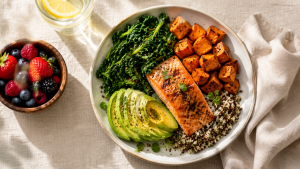
- Leftover Strategy: 4 oz leftover grilled salmon (23g), 1/2 cup roasted sweet potato (2g), 1/2 cup sautéed kale (2g), 1 tbsp olive oil (0g). Total: 27g. Add a hard-boiled egg for 33g.
- No-Cook Mason Jar: Layer 1/2 cup Greek yogurt (10g), 1/2 cup cottage cheese (9g), 1/4 cup granola (4g), 1 tbsp chia seeds (3g), 1/2 cup berries (1g). Total: 27g. Double the yogurt for 37g.
These are templates, not recipes. Swap ingredients based on what you have. The formula is your guide.
When to Use Protein Powders vs. Whole Foods
Whole foods are preferable for micronutrients and fiber. But protein powders are convenient. I use them when I’m traveling or short on time. The key is to choose a powder with minimal additives. Look for ones with 20–25g protein per scoop, fewer than 5g carbs, and no artificial sweeteners if you’re sensitive.
However, I’ve seen people rely on shakes for every breakfast, and they miss out on the fiber that keeps them full. The solution: blend the powder with whole foods like spinach, berries, and oats. That way you get the protein boost plus the fiber.
For a more technical breakdown of how protein content compares across different foods, our Mussel Protein Calculator is a good example of how to calculate protein from less common sources—though mussels aren’t a typical breakfast food, the principle applies.
How to Handle Dietary Restrictions
The 3-Part Formula works for any diet. Here are swaps:
- Vegan: Protein base = tofu, tempeh, pea protein, lentils. Fiber vehicle = oats, quinoa, whole grains. Healthy fat = avocado, nuts, seeds.
- Dairy-free: Use coconut yogurt (lower protein, so add a protein powder) or soy yogurt. Eggs are fine if not vegan.
- Gluten-free: Use oats (certified gluten-free), quinoa, buckwheat, rice cakes.
- Low-carb: Skip the fiber vehicle, double the protein base, and add more fat. For example, 3 eggs (18g) + 1/2 cup egg whites (12g) cooked in butter (0g) with 1/2 avocado (1g). Total: 31g, zero carbs.
One honest limitation: low-carb high-protein breakfasts can be low in fiber, which may cause constipation. If you go low-carb, add a fiber supplement or leafy greens.
Why This Approach Is Simple Nutrition
Simple Nutrition isn’t about counting every gram. It’s about having a reliable framework that removes the guesswork. The 3-Part Formula gives you freedom. You don’t need to follow a strict meal plan. You just need to know which foods fall into each category and how to combine them.
I’ve been using this with clients for three years, and it works because it’s adaptable. One client, a busy dad, uses it to make breakfast for his kids. He does 2 eggs + 1 slice toast + 1 tbsp peanut butter (20g for the kids, 30g for him by adding a shake). The kids eat it without complaint.
Another client, a vegetarian, uses cottage cheese + oats + hemp seeds (30g) and loves it. The formula scales to your life.
Take Action: Build Your First Breakfast in 5 Minutes
Stop reading and start experimenting. Here’s your assignment for tomorrow morning:
- Open your fridge and pantry.
- Identify one protein base, one fiber vehicle, and one healthy fat.
- Combine them in a bowl or on a plate.
- Eat. Repeat.
If you want to hit 30g, aim for two protein sources. For 40g, add a third protein or a larger serving. Use the chart above as a reference. And don’t stress if you’re short—consistency over perfection wins.
For more precise calculations, bookmark the Pepper Protein Calculator—it’s handy for adding veggies to your meals. But honestly, once you internalize the formula, you won’t need a calculator every day. You’ll just know.
Now go build a breakfast that actually works for you.