Why Traditional Meal Plans Fall Apart on Busy Weeks
You’ve probably tried it before: you spend Sunday afternoon crafting a beautiful weekly meal plan, complete with color-coded days and a grocery list. Tuesday hits, a meeting runs late, you’re starving, and the plan goes out the window. You order takeout, feel guilty, and the rest of the week crumbles.
The problem isn’t your willpower. It’s that most meal plans assume you have a predictable schedule, a fully stocked pantry, and the energy to follow a rigid script. Real life doesn’t work that way. I’ve been there — I once prepped five days of quinoa bowls on Sunday, and by Wednesday I had thrown away two of them because I couldn’t face another cold grain bowl.
What actually works is a system that gives you structure without locking you into a single recipe. You need a framework that lets you improvise with what’s on hand, in the time you have, and still hit your nutrition goals. That’s where the 3-2-1 Nutrition Framework comes in.
The 3-2-1 framework is simple: always keep 3 proteins, 2 vegetables, and 1 quick carb available, and mix them in any combination. This turns meal planning from a rigid calendar into a flexible decision-making tool.
The 3-2-1 Nutrition Framework: A New Way to Think About Dinner
The idea is to stop planning specific meals and start planning components. Instead of asking “What am I having for dinner on Tuesday?” you ask “What do I have in my fridge that I can combine into a balanced plate in under 10 minutes?”
The framework works because it covers the three essential parts of a satisfying meal: protein for satiety and muscle repair, vegetables for fiber and micronutrients, and a quick carb for energy. By keeping a mental (or physical) list of versatile options in each category, you can build a meal from whatever is available — whether that’s leftover chicken, a bag of frozen broccoli, and a tortilla, or canned beans, a handful of spinach, and some rice.
This approach has a huge advantage over traditional meal plans: it doesn’t require you to have every single ingredient on a specific day. You can swap one protein for another, use whatever vegetables are about to go bad, and choose a carb based on what’s in the pantry. The result is less food waste, less stress, and a more nutritious diet overall.
Why This Works When Traditional Plans Don’t
Traditional meal plans are like a script for a play — they fall apart the moment the scene changes. The 3-2-1 framework is more like a jazz standard: you know the chord progression, and you can improvise around it. When you’re busy, improvisation is the only sustainable strategy.
I’ve seen this fail in my own kitchen. I used to follow meal plans from bloggers and dietitians, but I’d end up skipping meals because I didn’t have a specific ingredient or because I simply didn’t feel like eating what was scheduled. The framework eliminated that problem because I stopped caring about the exact recipe and started focusing on the balance of macros.
Choosing Your 3 Proteins: The Foundation of Flexibility
Protein is the most important part of any meal because it keeps you full and supports your body’s repair processes. For the framework, you need three protein options that are easy to prepare or already cooked. Here are my go-to categories:
- Animal proteins: Chicken breast, ground beef, turkey, eggs, canned tuna.
- Plant-based proteins: Canned beans (black, chickpea, kidney), lentils, tofu, edamame.
- Dairy and eggs: Greek yogurt, cottage cheese, hard-boiled eggs.
You don’t need to have all three categories at once — just three different types that you can rotate. For example, you might choose grilled chicken, canned black beans, and Greek yogurt. The key is that each can be cooked or reheated in under 5 minutes.
When I’m coaching clients, I always recommend having at least one protein that requires zero cooking: canned beans or a rotisserie chicken from the store. These save you on days when even heating something feels like too much.
How Much Protein Do You Really Need? A Quick Guide
The exact amount varies based on your body weight, activity level, and goals. A general guideline from the Dietary Guidelines for Americans suggests 46 grams per day for women and 56 grams for men, but that’s the minimum. For active individuals, many experts recommend 1.2 to 2.0 grams per kilogram of body weight. If you’re unsure about your specific numbers, our Energy Nutrition Calculator can give you a baseline based on your age, sex, weight, and activity.
For most busy people, a good target is 20-30 grams of protein per meal. That’s roughly a chicken breast, a cup of beans, or a cup of Greek yogurt. The 3-2-1 framework makes it easy to hit that because you’re always starting with a protein.
Your 2 Vegetables: Speed Meets Nutrient Density
Vegetables are where most people get stuck. They’re healthy, but they take time to wash, chop, and cook. The solution is to choose vegetables that are either pre-washed, pre-cut, or require minimal prep. The 2 vegetables in the framework don’t have to be two different types — they can be two portions of the same vegetable, or a mix of raw and cooked.
My favorite quick vegetables:
- Pre-washed bagged spinach or arugula: No chopping needed, ready in 30 seconds.
- Frozen broccoli, cauliflower, or green beans: Microwave in 3-4 minutes, no prep.
- Bell peppers and cucumbers: Slice in a minute, eat raw or sauté.
- Canned mushrooms or artichokes: Already cooked, just drain and heat.
One thing nobody tells you about meal planning: the vegetables you buy fresh often go bad before you eat them. That’s why I almost always have frozen vegetables on hand. They’re picked at peak ripeness, cost less, and never spoil. When you’re in a hurry, a bag of frozen broccoli in the microwave for 3 minutes is faster than ordering a salad.
How to Make Vegetables Actually Taste Good (Without a Recipe)
Most people under-season vegetables because they don’t have time to make a sauce. The secret is to use a vinaigrette or a sprinkle of parmesan cheese. I always keep a bottle of olive oil and balsamic vinegar on the counter. For a quick sauté, heat a tablespoon of olive oil, toss in the vegetables, and add garlic powder, salt, and pepper. In 5 minutes you have something that tastes like it came from a restaurant.
If you’re using frozen vegetables, don’t microwave them in the bag — that makes them soggy. Instead, empty them into a pan with a little oil and stir-fry for 5 minutes. The higher heat gives them a slightly charred texture that’s much more appealing.
The 1 Quick Carb: How to Make It Work Without Guilt
Carbohydrates have gotten a bad rap, but they’re essential for energy, especially on busy days. The key is to choose carbs that are quick to prepare and don’t require a lot of mental energy. The “1” in the framework means you pick one carb source per meal, not a carb-free meal.
My go-to quick carbs:
- Rice (pre-cooked or microwaveable pouches) — ready in 2 minutes.
- Tortillas (corn or flour) — use one for a wrap or quesadilla.
- Bread (sourdough, whole grain) — toast or sandwich.
- Pasta (cook in 8 minutes) — but keep it in the freezer for emergencies.
- Potatoes (microwave a small one in 5 minutes) — or use pre-cooked sweet potato cubes.
The biggest mistake I see people make is avoiding carbs entirely because they think they’ll get fat. That’s an oversimplification. Your body needs glucose for brain function and physical activity. The problem isn’t carbs — it’s the type and quantity. A serving of rice or a tortilla is fine; a bag of chips is not.
When you’re stressed and tired, your body craves carbs because it needs quick energy. If you fight that craving, you set yourself up for a binge later. The 3-2-1 framework lets you honor that craving in a healthy way by pairing the carb with protein and vegetables.
Building a 7-Minute Meal: Step-by-Step with the Framework
Now let’s put the framework into action. Here’s a concrete example of how I build a meal in under 7 minutes, from start to finish:
- **Start with the protein.** Take a chicken breast (already cooked from Sunday prep) out of the fridge. If it’s leftover, I slice it and put it in a pan with a little oil to warm it up. (2 minutes)
- **Add the vegetables.** While the chicken warms, I grab a bag of frozen broccoli and microwave it for 3 minutes. (3 minutes)
- **Prepare the carb.** I have a packet of microwaveable rice — I put it in the microwave for 90 seconds. (1.5 minutes)
- **Assemble.** Plate the rice, top with chicken and broccoli. Add a drizzle of soy sauce or sriracha. Done. (1.5 minutes)
That’s a balanced meal with protein, fiber, and carbs — and it took less time than waiting for a delivery order. You can swap the chicken for canned tuna, the broccoli for spinach, and the rice for a tortilla. The process is the same.
What If You Have Zero Cooked Food?
If you don’t have any pre-cooked protein, your fastest option is canned beans or canned tuna. Drain the beans and rinse them — they’re ready to eat. Tuna comes in a pouch, no draining needed. For vegetables, use a bagged salad mix or slice a cucumber. For carbs, grab a piece of bread or a corn tortilla. In 5 minutes you can make a tuna wrap with lettuce and tomato, or a bean and cheese quesadilla with a side of spinach.
The framework is designed to work even on your worst days. That’s the beauty of it.
The 5-Minute Emergency Meal: When Your Plan Completely Collapses
Every busy person has those days when you’re home late, you’ve used all your energy at work, and the thought of cooking is unbearable. This is where the emergency meal comes in. It’s not gourmet — it’s just a way to get a balanced meal without ordering fast food.
My go-to emergency meal is a smoothie. I keep a bag of frozen fruit, a tub of Greek yogurt, and some spinach in the freezer. I throw a handful of each into a blender, add milk or water, and blend for 30 seconds. That gives me protein, fiber, and carbs in a glass. I can drink it in two minutes while replying to emails.
Another emergency option is a loaded baked potato. Microwave a potato for 5 minutes, then top with canned chili (which has beans and meat) and shredded cheese. That’s a complete meal with protein, carbs, and some vegetables (the tomatoes in the chili count).
If you’re truly out of time, a peanut butter and banana sandwich on whole wheat bread is a decent fallback. It has protein, healthy fat, and carbs. Add a glass of milk for extra protein and calcium.
The key is to have these emergency components in your pantry at all times. I call it the “break glass in case of emergency” shelf. It saves you from ordering a pizza that will leave you feeling sluggish the next morning.
Swapping Ingredients on the Fly: Making the Framework Work with What You Have
The real power of the 3-2-1 framework is its flexibility. You can swap any protein for another, any vegetable for another, and any carb for another without changing the balance. This is especially useful when you’re shopping on a budget or when your fridge is half-empty.
Here’s a real example: one week, I planned to use ground turkey, but the store was out of it. I bought ground beef instead. The next day, I was going to make Indian-style curry, but I didn’t have cauliflower. I used broccoli. The meal was different from what I envisioned, but it was still nutritious and satisfying.
Most people don’t realize that a meal plan’s success depends more on its flexibility than its nutritional perfection. If you’re too strict about ingredients, you’ll give up when something goes wrong. The 3-2-1 framework lets you adapt without losing sight of your goals.
How to Shop for the Framework
You don’t need a long shopping list. Here’s a framework-friendly grocery list:
- Proteins: Pick 3 that you like. For example: eggs, canned black beans, and chicken thighs.
- Vegetables: Pick 2 that are versatile: frozen spinach and bell peppers.
- Carbs: Pick 1 quick option: rice or tortillas.
That’s it. You can buy these items in bulk and keep them on hand. If you want variety, you can rotate your choices each week. The framework doesn’t require you to plan every meal in advance — just to have the right components available.
Balancing Macros and Fiber: The Nutritional Science Behind the Framework
Why does this combination work nutritionally? Protein, vegetables, and a carb together provide a balanced macronutrient profile that supports energy, satiety, and muscle maintenance. The vegetables add fiber, which slows digestion and keeps you full longer. The protein and carb together help regulate blood sugar, preventing the energy crashes that lead to cravings.
Fiber is often overlooked in quick meals. Most fast food is low in fiber, which is why you’re hungry an hour later. The 2 vegetables in the framework ensure you get at least 5-10 grams of fiber per meal, which is a good chunk of the daily recommended 25-38 grams. If you’re not used to eating that much fiber, start slowly to avoid digestive discomfort.
For a deeper look at how your body uses the energy from these meals, try our Energy Nutrition Calculator to see your daily needs. It can help you adjust portion sizes to meet your goals, whether you’re trying to lose weight, maintain, or build muscle.
Another important point: the framework doesn’t require you to count calories. It’s a visual and tactile method. You just know that a plate with a palm-sized protein, two fist-sized vegetables, and a cupped-hand carb is a balanced meal. This is easier to sustain than tracking every gram.
A Real-Life Example: How I Used the Framework on a Chaotic Tuesday
Let me walk you through a night that would have derailed my old meal plan. It was a Tuesday, and I had back-to-back meetings from 8am to 6pm. I hadn’t had time to eat lunch, so I was hangry. I got home at 6:30pm, and my fridge had leftover grilled chicken, a bag of pre-washed spinach, some cherry tomatoes, and a stack of corn tortillas.
I microwaved the chicken for 90 seconds, threw the spinach and tomatoes in a bowl with olive oil and lemon juice, and heated two tortillas in a dry pan. I made a chicken and salad wrap, added a sprinkle of cheese, and ate it in 10 minutes. It wasn’t a gourmet meal, but it hit my protein and fiber targets, and I didn’t feel the need to order a pizza.
That’s the moment I realized the framework had changed my relationship with food. I stopped stressing about having the “right” recipe and started trusting that I could throw together something healthy from whatever I had. The mental freedom is almost as valuable as the nutrition.
Meal Prep Shortcuts That Save More Time Than You Think
You don’t need to spend a full Sunday afternoon prepping. Here are the shortcuts that make the 3-2-1 framework even faster:
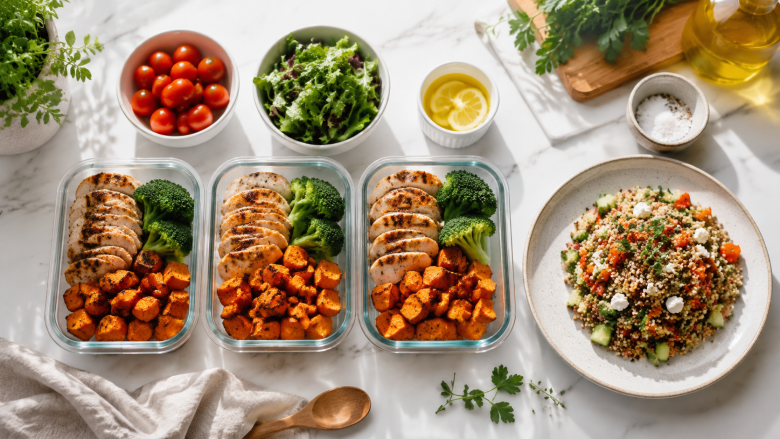
- Cook a batch of protein on Sunday: Grill 4-6 chicken breasts, hard-boil a dozen eggs, or cook a pound of ground beef with taco seasoning. Store in the fridge for up to 4 days.
- Pre-wash and chop vegetables: If you buy fresh, wash and cut them immediately after shopping. Store them in airtight containers with a paper towel to absorb moisture.
- Cook a batch of rice or quinoa: Make 2 cups of dry rice, spread it on a baking sheet to cool, then store in a container. Grains stay fresh for 5 days.
- Use frozen vegetables for backup: They’re already cleaned and cut. Just microwave or sauté.
These tasks take 30 minutes on Sunday, but they save you hours during the week. And they’re not mandatory — you can still use the framework with zero meal prep, using canned beans, frozen veg, and microwaveable rice.
Common Mistakes Beginners Make (and How to Avoid Them)
I’ve seen many people try the 3-2-1 framework and make a few predictable mistakes. Here’s how to avoid them:
1. Not having enough protein options. If you only have one type of protein, you’ll get bored quickly. Always keep at least 2-3 options, even if it’s just canned tuna and Greek yogurt.
2. Choosing vegetables that need too much prep. If you buy a head of broccoli, you’ll have to cut it. That’s extra time. Buy pre-cut or frozen to remove friction.
3. Ignoring the carb. Some people try to skip the carb completely, thinking it’s healthier. That usually backfires because you’re hungry an hour later. Include it, but choose a sensible portion.
4. Not having a “break glass” emergency meal. You’ll have bad days. Make sure you have canned beans, frozen vegetables, and a carb that you can cook in 5 minutes. Otherwise, you’ll order takeout.
5. Being too rigid about macro amounts. The framework is about balance, not perfection. If you have a day where you eat more carbs or fewer vegetables, that’s fine. The goal is consistency over time.
One trade-off I should mention: the framework is not ideal for people who need very specific nutritional targets, like athletes with strict macro goals or those with medical conditions requiring precise portions. For those people, more detailed planning is necessary. But for the average busy adult, it’s a game-changer.
Final Thoughts: Making Nutrition Automatic
The goal of meal planning isn’t to follow a rigid plan perfectly — it’s to make healthy eating automatic, even on chaotic weeks. The 3-2-1 Nutrition Framework gives you a simple mental model that you can apply in any situation: 3 proteins, 2 vegetables, 1 quick carb. Once you internalize it, you’ll find yourself building balanced meals without thinking.
This approach also complements other aspects of a healthy lifestyle. If you’re also trying to stay hydrated, check out our guide to staying hydrated during a busy workday. And for a broader wellness routine, our simple daily wellness routine can help you build other healthy habits alongside your eating.
Start small. Pick three proteins, two vegetables, and one carb that you know you’ll eat. Keep them stocked. Then trust the framework. You’ll be amazed at how much easier it is to eat well when you’re not chained to a recipe.
Remember, the best meal plan is the one you actually follow. The 3-2-1 framework makes that possible because it’s designed for real life — not a perfect world.