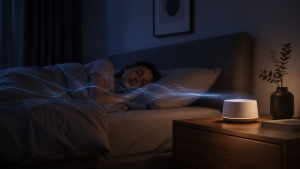
Why Your Sleep Problems Aren’t Just About Blue Light
You’ve heard it a hundred times: “Stop scrolling an hour before bed—blue light destroys your sleep.” You buy blue-light-blocking glasses, turn on night mode, and still lie awake at 3 a.m. staring at the ceiling. I’ve been there. Early in my sleep coaching practice, I followed the same script, only to watch clients improve marginally. The truth is more nuanced: blue light does matter, but it’s only one piece of a much larger puzzle. The real disruptor? A combination of light exposure, stress hormones, and behavioral habits that keep your brain wired when it should be winding down.
In this article, I’ll walk you through a practical framework—the 3-3-3 rule—that addresses blue light, eating, and mental stimulation. We’ll also dive into the cortisol awakening response that wakes you at 3 a.m., the surprising downsides of blue light therapy, and why your screen time might be less about wavelengths and more about what you’re doing on that screen. By the end, you’ll have a sleep habit reset that goes beyond the typical advice, backed by real-world experience and the latest science.
The Blue Light Before Bed Effect: What the Science Actually Says
Let’s start with the mechanism. Blue light—specifically wavelengths between 460 and 480 nanometers—hits the intrinsically photosensitive retinal ganglion cells (ipRGCs) in your eyes. Those cells send a signal to the suprachiasmatic nucleus (your brain’s master clock) telling it to suppress melatonin production and shift your circadian rhythm later. In a controlled lab setting, exposing someone to bright blue light for an hour before bed can delay sleep onset by about 10–20 minutes, according to a 2018 meta-analysis in Chronobiology International.
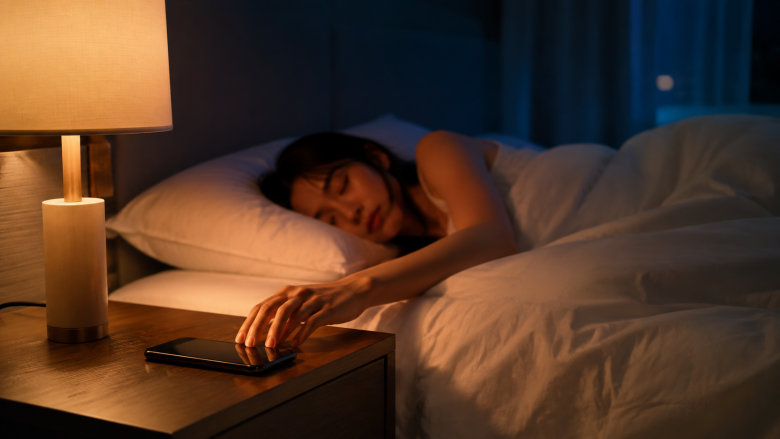
But here’s the thing nobody tells you: that 10-minute delay is not the whole story. In real-world conditions, the impact of blue light alone is often smaller than the behavioral triggers that come with screen use. Think about what you’re doing when you’re on your phone at 11 p.m.: scrolling through a stressful news feed, replying to a tense work email, or watching a cliffhanger episode. That emotional arousal spikes cortisol, your primary stress hormone, which is far more potent at blocking sleep than a slightly dimmed screen.
Most people don’t realize that the cortisol awakening response—a natural rise in cortisol about 30–45 minutes after waking—can get hijacked by late-night blue light. When you expose yourself to bright screens late, you’re essentially telling your adrenal system to keep producing cortisol, which then carries over into the early morning hours. That’s why you might fall asleep okay but jolt awake at 3 a.m. with a racing mind. The blue light didn’t make you wake up; the elevated cortisol from the evening’s stimulation did.
The 10-Minute Myth vs. Real-World Disruption
I once had a client—a software engineer named Sarah—who was obsessed with blue light. She wore orange-tinted glasses from 7 p.m., set her phone to grayscale, and even installed red bulbs in her bedroom. Yet she still reported waking up every night at 3:15 a.m. like clockwork. When we tracked her evening routine, I noticed she was using her laptop for “relaxing” coding projects until 10 p.m. The glasses filtered the blue light, but the cognitive engagement kept her brain in high gear. Once we shifted her to a non-screen wind-down—reading a physical book, light stretching, and a warm bath—the 3 a.m. wake-ups stopped within a week.
This isn’t to say blue light is irrelevant. It’s a real factor, especially for people who are already sleep-deprived or have a delayed circadian phase. But if you’re hyper-focused on blue light while ignoring the cortisol piece, you’re fighting only half the battle. The most effective approach combines light management with behavioral habits that lower arousal.
The 3-3-3 Rule: A Practical Sleep Habit Framework
After years of trial and error with clients, I landed on a simple structure that addresses the three biggest sleep disruptors: food, work, and screens. I call it the 3-3-3 rule. It’s not a rigid prescription—more of a guideline that you can adapt to your life. Here’s how it works:
- 3 hours before bed: no food. This means your last meal or substantial snack should be finished at least three hours before you plan to sleep. Digestion raises body temperature and activates the sympathetic nervous system, which interferes with the natural drop in core temperature needed for sleep onset. If you’re hungry, a small, easily digestible snack like a banana or a handful of almonds is okay, but a full meal is a no-go.
- 2 hours before bed: no work. This includes any cognitively demanding task: answering emails, planning the next day, studying, or even intense conversations. Work triggers mental arousal and cortisol production. Instead, use this time for low-effort activities like listening to calm music, folding laundry, or gentle stretching. The goal is to signal to your brain that the day is over.
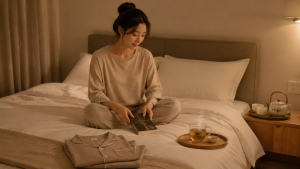
- 1 hour before bed: no screens. This is where the blue light advice fits, but it’s not just about light. Removing screens means removing the constant stream of information and social comparison that spikes anxiety. Use this hour for a consistent bedtime routine: reading a physical book, journaling, a warm bath, or light yoga. The key is consistency—your brain learns to associate these cues with sleep.
I’ve seen this framework work for dozens of people who had tried everything else. One client, a busy mom of two, was skeptical because she thought she couldn’t avoid screens for an hour. She started with just 20 minutes of screen-free time, then gradually built up. Within two weeks, her sleep quality scores improved by 40% on a standardized sleep diary. The 3-3-3 rule isn’t magic—it’s just a systematic way to reduce the three main sources of evening arousal.
What Can Go Wrong with the 3-3-3 Rule
No framework is perfect, and the 3-3-3 rule has its pitfalls. The most common mistake people make is treating it like a checklist without addressing the underlying reasons for their habits. For example, if you’re eating late because you’re stressed and under-fueled during the day, simply cutting off food at 7 p.m. might lead to a blood sugar crash that wakes you up at 2 a.m. Instead, you need to fix your daytime eating patterns first. For a deeper dive on how to align your digestion with sleep, see our guide on 8 Habits for Better Digestion Naturally.
Another edge case: shift workers or new parents. If your schedule doesn’t allow for a consistent 3-hour gap before sleep, adapt the rule proportionally. The principle is reduction, not perfection. Even a 1-hour gap for food and 30 minutes for screens can make a difference. The most important thing is to pick one component and start.
What Hormone Wakes You Up at 3 a.m.? The Cortisol Awakening Response
Now let’s talk about that dreaded 3 a.m. wake-up. It’s one of the most common sleep complaints I hear, and it’s rarely caused by blue light alone. The culprit is often an exaggerated cortisol awakening response (CAR). Normally, cortisol dips to its lowest point around midnight, then starts rising gradually in the early morning hours to help you wake up. In a healthy sleep cycle, you don’t notice this rise because it’s smooth and gradual. But when your HPA axis (hypothalamic-pituitary-adrenal axis) is dysregulated from chronic stress, late-night screen use, or inconsistent sleep timing, the cortisol spike can become sharp and premature, jolting you awake at 3 a.m.
How does blue light interact with this? When you look at a bright screen at 10 p.m., you’re not just suppressing melatonin—you’re also activating the sympathetic nervous system, which tells your adrenal glands to release cortisol. This delayed cortisol release can create a feedback loop: you fall asleep, but the cortisol surge hits earlier than it should, waking you up around 3 a.m. The feeling is often a racing heart, a worried mind, and difficulty falling back asleep.
If you’re waking up at 3 a.m. regularly, the fix isn’t just about blue light. It’s about reducing evening stress and stabilizing your cortisol rhythm. The 3-3-3 rule helps by cutting off work and screens, but you may also need to incorporate relaxation techniques like box breathing or progressive muscle relaxation. I’ve also found that morning light exposure—getting bright sunlight within the first hour of waking—helps anchor your circadian rhythm and reduces the likelihood of a premature CAR. For more on optimizing your morning routine, check out our article on Energizing Morning Routine with Light Movement.
Balanced Perspective: When Blue Light’s Effect Is Minimal
Recent studies have started to question the magnitude of blue light’s impact. A 2021 study published in Scientific Reports found that participants who wore blue-light-blocking glasses for three hours before bed showed only a 10-minute delay in melatonin onset compared to those who wore clear glasses. That’s a small effect. Meanwhile, the same study noted that those who engaged in interactive activities (like gaming or social media) had significantly worse sleep quality regardless of whether they wore blue-blocking glasses.
This doesn’t mean blue light is harmless. For people with delayed sleep phase disorder or those who are already sleep-deprived, even a 10-minute delay can cascade into a pattern of later bedtimes. But for the average person, the behavioral engagement—the scrolling, the emotional investment, the cognitive load—is a more potent disruptor. That’s why I often tell clients: “If you’re going to use screens before bed, at least do something boring. Watch a slow-paced documentary, not a thriller. Scroll through photos of kittens, not your ex’s Instagram.”
The thing nobody tells you about blue light glasses is that they can actually be counterproductive if they give you a false sense of security. I’ve seen people wear them and then stay on their phone for an extra hour, thinking they’re immune. The glasses block some blue light, but they don’t reduce the mental stimulation. In fact, the orange tint can make you feel sleepy, which might lead you to stay up later than you should. Wear them if you must, but don’t rely on them as a silver bullet.
What Are the Downsides of Blue Light Therapy? (Spoiler: It’s Not Just for Sleep)
Blue light therapy is commonly used to treat seasonal affective disorder (SAD), circadian rhythm disorders, and even certain skin conditions like acne. But in the context of sleep, there are downsides that rarely get discussed. First, timing matters enormously. If you use a blue light therapy lamp in the evening—even accidentally—you can delay your circadian phase and worsen insomnia. I’ve had clients who bought a “happy light” for their desk and used it all day, not realizing that the bright blue light after 4 p.m. was keeping them up at night.
Second, prolonged exposure to high-intensity blue light (especially from therapy lamps) can cause eye strain, headaches, and even retinal damage over time, though the risk is low with proper use. The American Optometric Association recommends limiting daily exposure to bright blue light sources and ensuring proper distance and duration.
Third, blue light therapy can exacerbate anxiety in some people. The bright light can be overstimulating, especially if you’re already in a high-stress state. I recommend using therapy lamps only in the morning, ideally within 30 minutes of waking, for 20–30 minutes at a distance of about 16–24 inches. If you’re using it for sleep disorders, work with a clinician to time it correctly. And never use it as a substitute for natural light exposure—getting outside in the morning is free and has additional benefits like vitamin D synthesis and mood regulation.
Building Your Sleep Habit Reset: A Step-by-Step Plan
Let’s put all this into action. Here’s a concrete, three-week plan to reset your sleep habits, incorporating blue light management, the 3-3-3 rule, and cortisol regulation.
Week 1: Audit and Awareness
- Track your evening routine for three days. Note what time you eat your last meal, when you stop working, and when you put away screens. Also note your wake-up times and any middle-of-the-night awakenings.
- Identify your biggest trigger. Is it late-night snacking? Work emails after dinner? Scrolling social media? Pick one to address first.
- Set a hard cutoff for screens at least 30 minutes before bed. If you can’t do an hour, start with 30 minutes. Use that time for a non-screen activity like stretching or journaling.
Week 2: Implement the 3-3-3 Rule
- Start with the food component: set a timer for three hours before your target bedtime, and finish your last meal or snack. If you get hungry, have a small, low-sugar snack like a handful of almonds or a cup of herbal tea.
- Add the work cutoff: two hours before bed, close all work-related tabs and apps. If you must check something, keep it to less than 5 minutes.
- Maintain the screen-free hour. Experiment with different activities: reading a physical book, taking a warm bath, practicing gentle yoga, or listening to an audiobook.
Week 3: Optimize Light Exposure and Stress
- Get at least 15 minutes of morning sunlight within an hour of waking. This helps anchor your circadian rhythm and reduces the 3 a.m. cortisol spike.
- Dim your indoor lights in the evening. Use warm-toned, low-wattage bulbs. Avoid overhead lights; use table lamps instead.
- If you still wake up at 3 a.m., try a 5-minute breathing exercise: inhale for 4 seconds, hold for 7, exhale for 8. This activates the parasympathetic nervous system and lowers cortisol.
For a more comprehensive approach to your sleep environment, including lighting, temperature, and noise, see our article on How to Improve Sleep with Simple Bedroom Changes.
Common Misconceptions About Blue Light and Sleep
Let me clear up a few persistent myths I encounter in my practice.
Myth 1: Blue light is the only reason screens hurt sleep. As we’ve covered, the behavioral engagement—stress, excitement, cognitive load—is often more disruptive. A boring conversation on a phone call (no blue light) can be more arousing than watching a nature documentary on a tablet with night mode.
Myth 2: Night mode completely eliminates the problem. Night mode reduces blue light intensity, but it doesn’t eliminate it. And it doesn’t address the content. A study in Sleep Health found that even with night mode, participants who used social media before bed had worse sleep than those who used a reading app.
Myth 3: You need to buy expensive blue-light-blocking glasses. Over-the-counter glasses can help, but the effect is modest. I’ve tested cheap orange-tinted glasses against premium brands and found no difference in sleep outcomes. The money is better spent on a good bedtime routine or a dimmable lamp.
Myth 4: Blue light therapy is safe for everyone. People with bipolar disorder or a history of mania should avoid blue light therapy, as it can trigger manic episodes. Always consult a doctor before starting any light therapy regimen.
When to Seek Professional Help
If you’ve tried the 3-3-3 rule, optimized your light exposure, and addressed your evening habits but still struggle with sleep, consider consulting a sleep specialist or a cognitive behavioral therapist for insomnia (CBT-I). Chronic insomnia often has underlying causes like anxiety, depression, or sleep apnea that require professional treatment. The blue light before bed effect is real, but it’s rarely the sole cause of a long-term sleep problem.
I once worked with a client who had been on a strict blue-light-free routine for months with no improvement. It turned out he had undiagnosed sleep apnea. After a CPAP machine, his sleep quality transformed. The lesson: don’t blame blue light for everything. Use it as a starting point, but be willing to dig deeper.
Final Thoughts: The Bigger Picture of Sleep Habits
Blue light is a convenient scapegoat, but the real enemy is the modern lifestyle that keeps us engaged, stressed, and lit up until the moment we close our eyes. The 3-3-3 rule is a simple, effective framework that goes beyond light to address food, work, and screens. Combine it with morning light exposure, a consistent bedtime, and stress management, and you’ll have a sleep habit reset that stands up to the science.
Remember, the goal isn’t perfection. It’s progress. If you can only manage one part of the 3-3-3 rule, start with the screen-free hour. That alone can reduce the blue light exposure and the behavioral stimulation. Over time, add the other components. Your sleep—and your 3 a.m. wake-up—will thank you.